June 17, 2026
Setting up a privacy fence can significantly enhance the security and aesthetics of your property. Whether you're looking to keep outsiders from peering in or want to create a safety barrier for children and pets, planning your privacy fence installation properly is crucial. This guide will walk you through each essential step.
1. Assessing Your Needs and Purpose
Before installing a privacy fence, understanding your primary objectives is essential. Are you aiming to enhance security, increase privacy, or improve the aesthetic appeal of your home? Reflecting on these questions helps dictate the type and style of fence that will best serve your goals. For instance, if security is a top priority, opting for a fence with limited visibility is ideal. Conversely, if aesthetics is your main concern, selecting decorative panels might be more appropriate.
It's crucial to consider local regulations and compliance when installing a fence. Many municipalities have specific guidelines regarding fence types and allowed heights, impacting your options and plans. According to Home Guide, backyard fences are typically 6 to 8 feet tall to ensure privacy. Failing to comply with local regulations can lead to disputes with neighbors or fines. Consulting with local authorities or a professional can prevent future legal headaches.
Another vital step is evaluating your property's boundaries. Accurately identifying property lines ensures your fence is correctly placed and avoids encroaching on neighboring properties. You may need a surveyor to confirm boundary lines if they are unclear. Once boundaries are clear, you can think about how high and what design will best serve your privacy needs. Balancing privacy and aesthetics is key to achieving a functional and beautiful fence.
2. Selecting Materials and Design
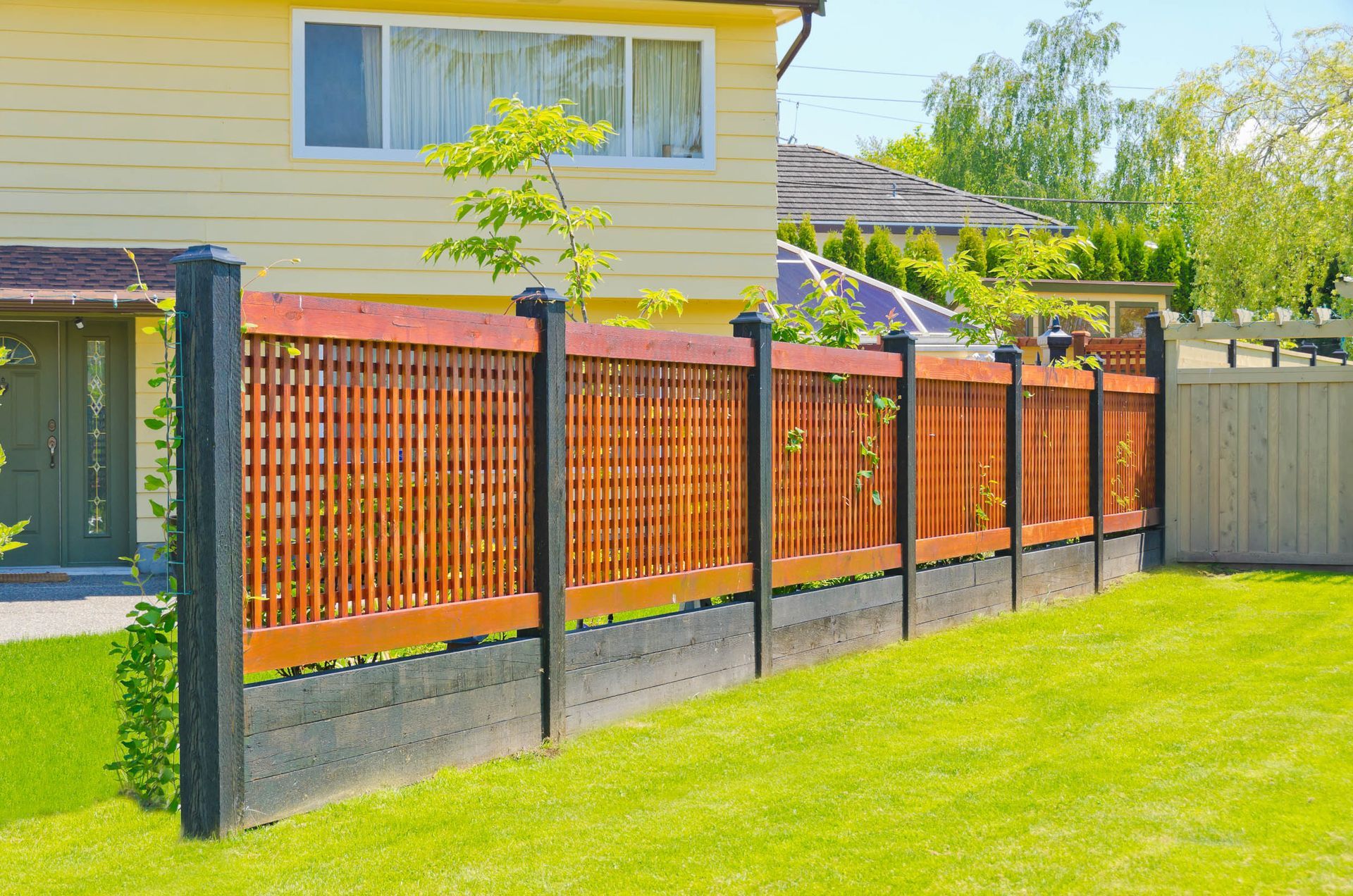
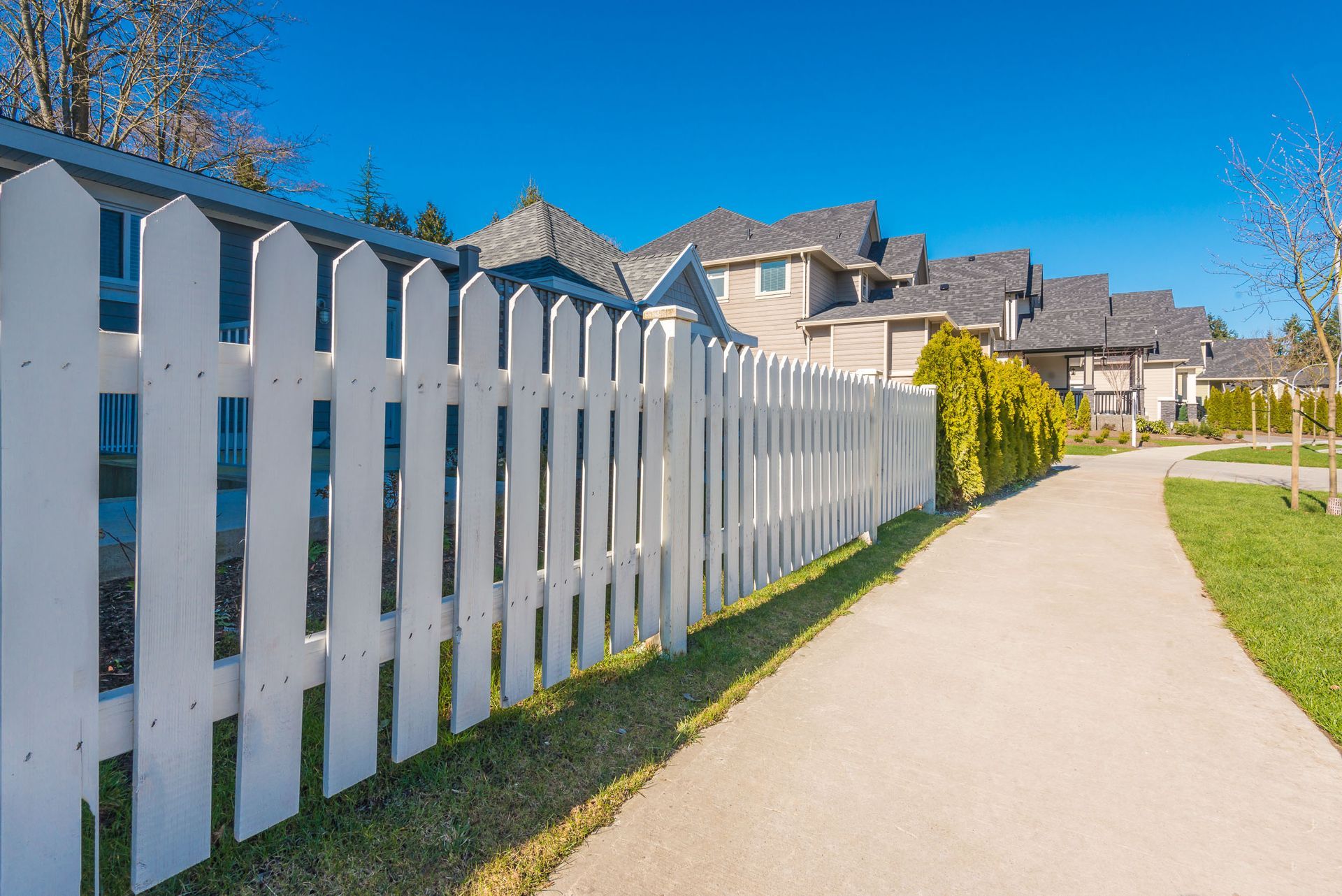
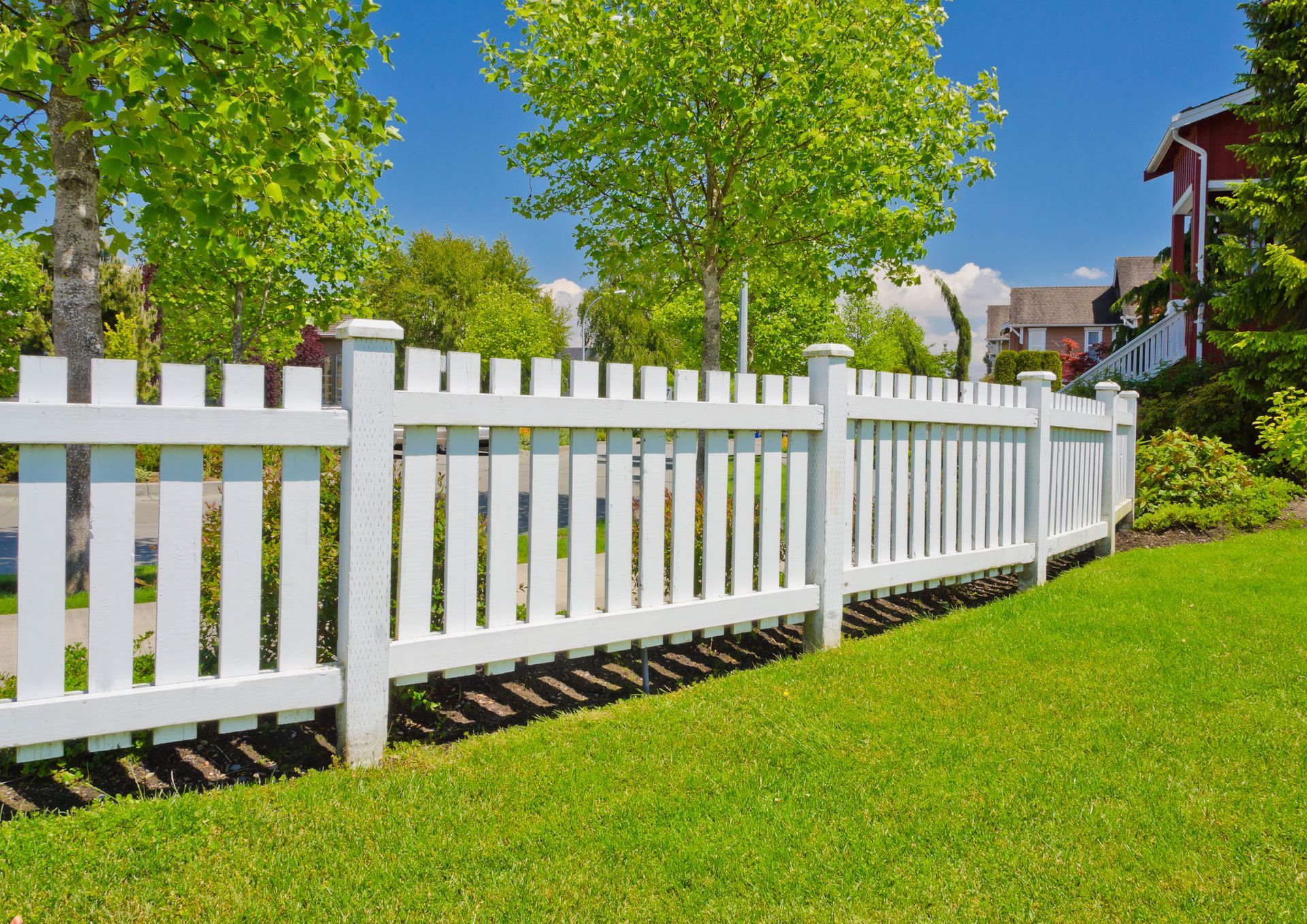
The choice of materials greatly influences the longevity and appearance of your fence. Natural wood provides a classic look and versatility in design but requires regular maintenance to prevent rot and pest infestation. Vinyl fencing offers durability with minimal maintenance, making it a popular choice for those seeking a long-term solution. Compare these options to decide which balances your desired maintenance level and aesthetic preferences.
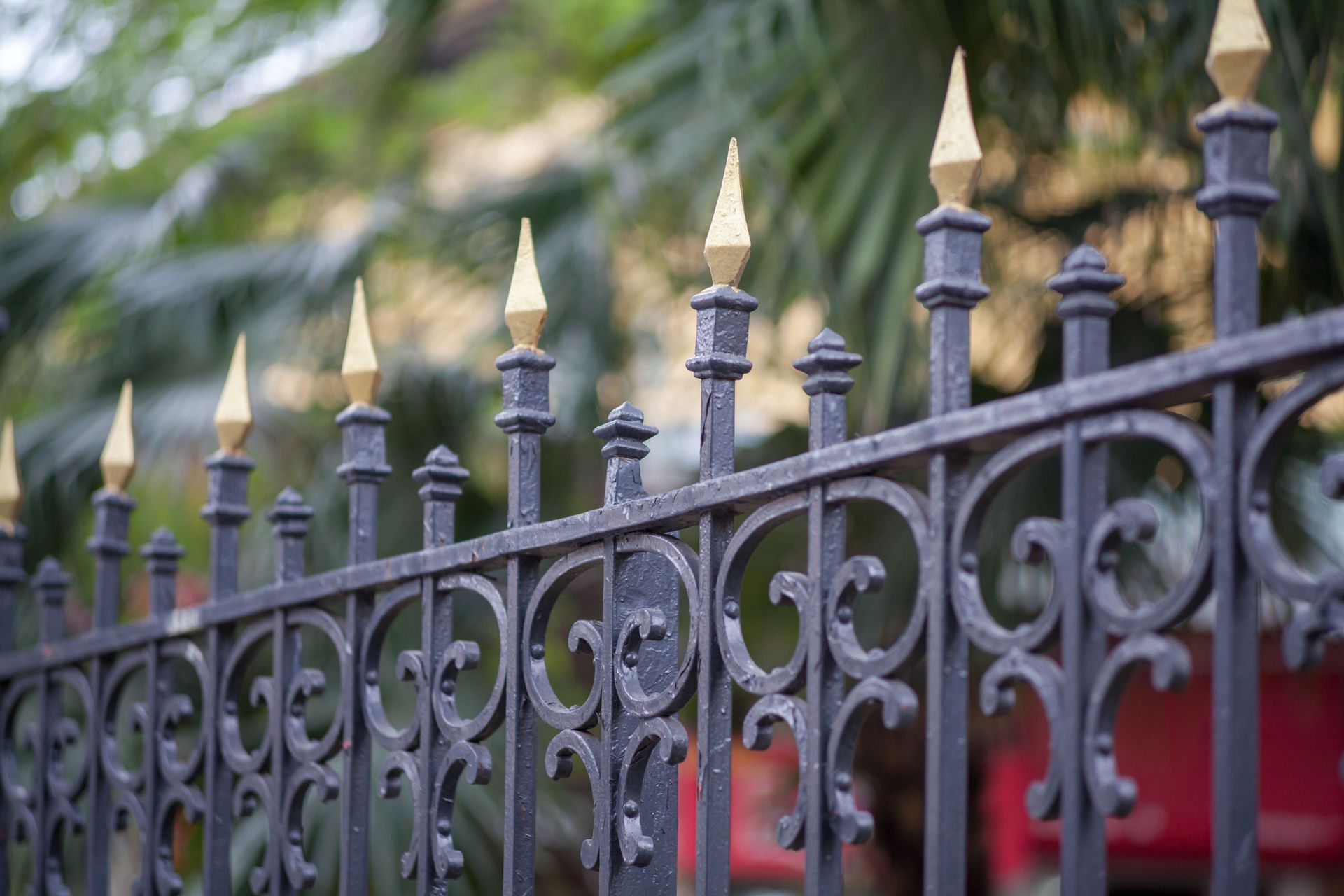
Other materials such as metal and composite offer unique benefits worth considering. Metal fences, like aluminum, are robust and provide a modern look but are usually more expensive than wood. Composite fences combine the beauty of wood with the durability of plastic, offering a visually appealing and long-lasting solution. Evaluate the climate and weather conditions of your area to choose a material that will withstand environmental stressors.
Matching the fence's style and color with your home design is essential for an integrated look. Consider the existing architecture and color palette to ensure the fence complements your property's exterior. Furthermore, opt for environmentally sustainable materials if reducing environmental impact is important to you. Modern technologies offer eco-friendly options without compromising quality or longevity. Your choice of materials and design impacts not only the fence's functionality but also the overall curb appeal.
3. Preparing the Site for Installation
Preparing the site properly is a critical step in the success of your privacy fence installation. Begin by clearing the area of debris, plants, and any obstacles that might hinder construction. Leveling the ground ensures the fence is installed without gaps and retains its stability over time. Proper site preparation enhances the efficiency of the installation process and contributes to the fence's longevity.
Accurately marking the fence line is another vital task. This process involves determining where each post will be placed, ensuring a straight and aligned installation. Use stakes and string to outline the fence's path clearly. Accuracy in marking the fence line also prevents future issues, such as crossing property boundaries or inconsistencies in post placement. Proper planning sets the foundation for a successful privacy fence installation.
Before digging, identify and avoid underground utilities to prevent dangerous situations and service disruptions. Contact local utility companies to identify and mark underground lines such as gas, water, or electricity. You should also plan for gate placement and access points, which require careful consideration to ensure convenient entry and exit. Gather all necessary tools and equipment ahead of time to streamline the installation process and minimize delays.
4. Executing the Installation Plan
With careful planning and preparation done, the execution of installing your fence begins with digging post holes and setting foundations. Each hole for your fence posts should be deep enough to accommodate almost a third of the post's length, which guarantees stability. Proper spacing between posts is necessary to prevent sagging and maintain structural integrity. The hole size should also be adjusted according to soil type and environmental factors.
Installing posts accurately requires attention to detail to ensure proper alignment and level. Use a spirit level and string lines to maintain straightness and consistency. Each post should be firmly secured with concrete or appropriate filling materials, allowing sufficient time for it to set. This provides a strong foundation and keeps the fence sturdy against wind and weight pressure. The posts represent the backbone of your fence, so their stability is crucial.
Attaching panels is the next significant step, which must be done with care to ensure stability and smoothness. Secure each panel firmly to the posts and verify there is no wobbling or looseness. The process involves precise measurement and an eye for detail to ensure panels are even and consistent along the entire fence line. Installing gates and hardware should be done in the final stages, using high-quality materials for durability and security. Conclude with a final inspection to ensure quality assurance and address any adjustments needed.
5. Considering Post-Installation Care
After a privacy fence installation, treating or finishing your fence prolongs its life and maintains its appearance. Applying paint, stain, or sealant protects the material from weather damage and adds a layer of aesthetic appeal. Regular upkeep is vital to prevent issues such as rot or color fading, especially in wooden fences. This routine maintenance not only lengthens a fence's lifespan but also preserves its beauty and functionality over time.
Scheduling routine maintenance checks helps address potential issues before they become serious problems. Inspections can identify minor repairs or adjustments needed to keep the fence in optimal condition. This can involve tightening loose screws, replacing damaged panels, or cleaning accumulated debris. Proactive care will prevent expensive repairs and ensure your fence continues to serve your needs effectively.
Coinciding with maintenance, you may wish to make landscaping adjustments to enhance privacy. Planting shrubs or vines along the perimeter can elevate privacy levels and improve visual appeal. Address any immediate functionality or aesthetic issues that arise and respond to initial feedback about your fence's performance. Evaluating these aspects provides a holistic view of the fence's effectiveness and areas for improvement. Through diligent post-installation care, the fence can continue to fulfill its intended roles.
The successful installation of a privacy fence involves careful consideration of several factors, from understanding your needs to precise execution. The process may be detailed and complex, but it guarantees security, privacy, and aesthetic enhancement for your property. With the right approach, your investment can provide long-term satisfaction, serving as a functional and visually appealing element of your outdoor space for years to come.
If you're considering a privacy fence installation for your home, reach out to our team at Aaron Fence today to learn more about our expert fencing services.