October 31, 2026
Understanding the importance of privacy in residential properties can guide you in selecting the right fencing solutions for your home. Achieving visual seclusion is integral for homeowners who seek solitude and quiet from bustling surrounding neighborhoods. A well-designed perimeter barrier not only provides security but also contributes to the overall aesthetic appeal of your landscape. With a wide variety of materials and designs available on the market, selecting the right yard fence supply can be a daunting task for many property owners.
Managing Visual Height and Noise Reduction Benefits
Fence height directly impacts your level of personal seclusion, making accurate measurement essential during the planning phase. Standard privacy fences typically stand at six feet tall, which effectively blocks sightlines from average ground-level perspectives. When local zoning regulations cap fence heights at lower levels, homeowners can legally enhance privacy by combining physical paneling with raised planter beds, trellises, or tall landscaping elements. Balancing desired seclusion with local legal restrictions ensures your installation remains compliant while still delivering the personal comfort you require in your outdoor space.
Beyond visual isolation, solid fencing materials can significantly reduce acoustic pollution from nearby roadways and neighbors. Materials with higher density, such as heavy timber, thick vinyl, or composite paneling, help reflect and dampen sound waves before they enter your yard. Combining a solid barrier with dense vegetation like evergreen shrubs or climbing vines creates a dual-layer acoustic shield that enhances outdoor tranquility. Choosing a high-density yard fence supply ensures your property achieves both the visual privacy and peace you desire.
Comparing Traditional Wood and Modern Vinyl Options
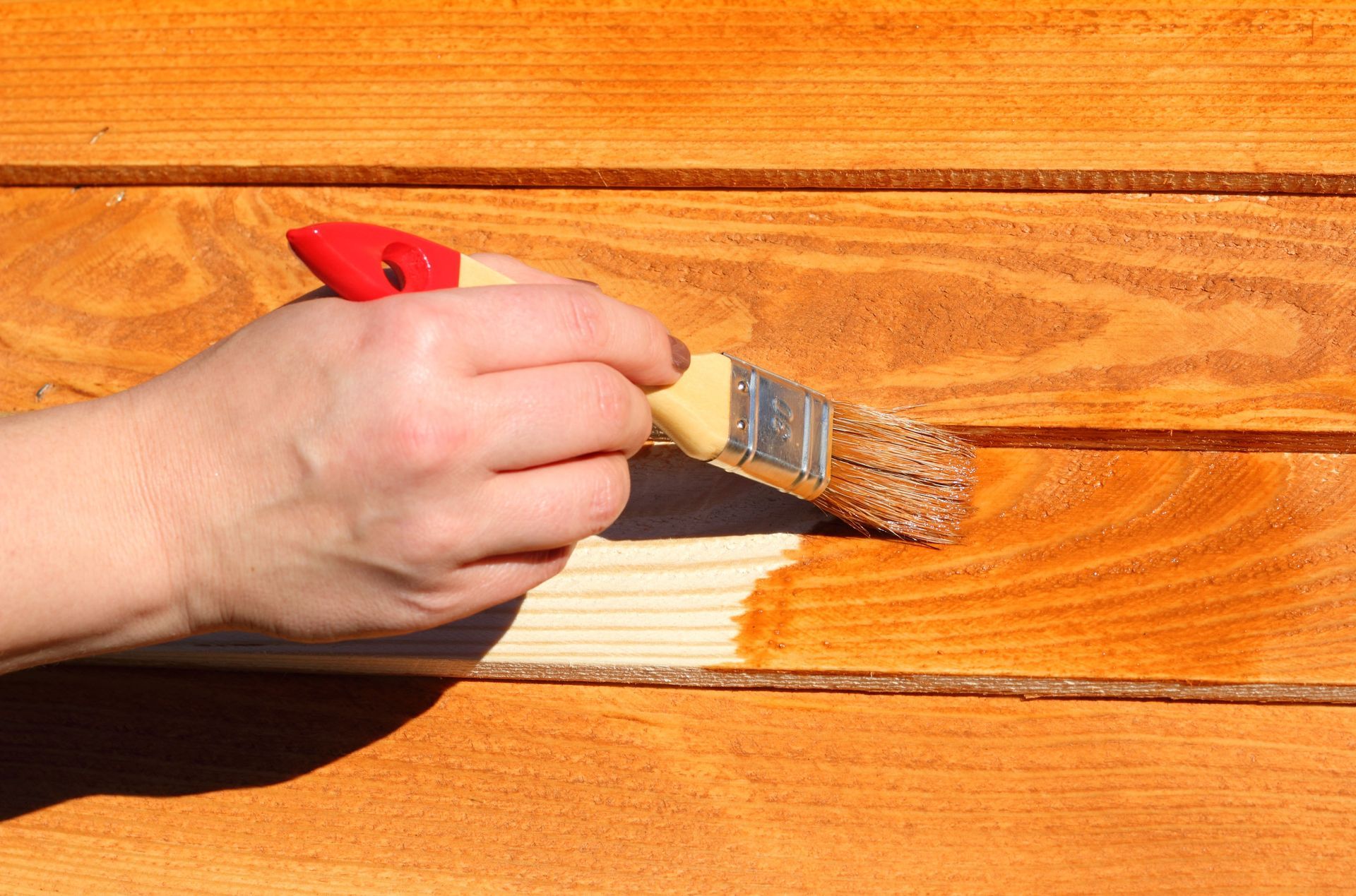
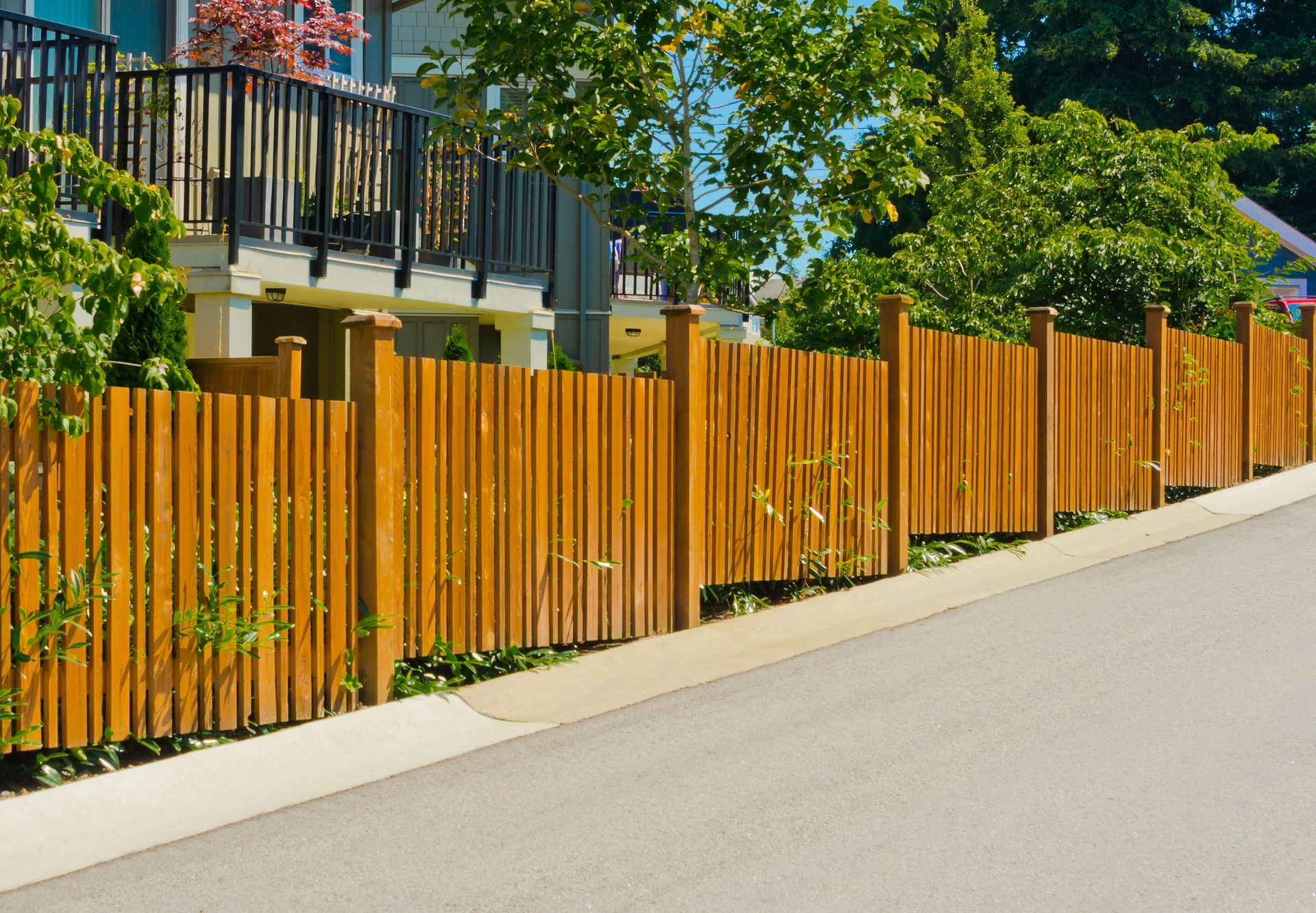
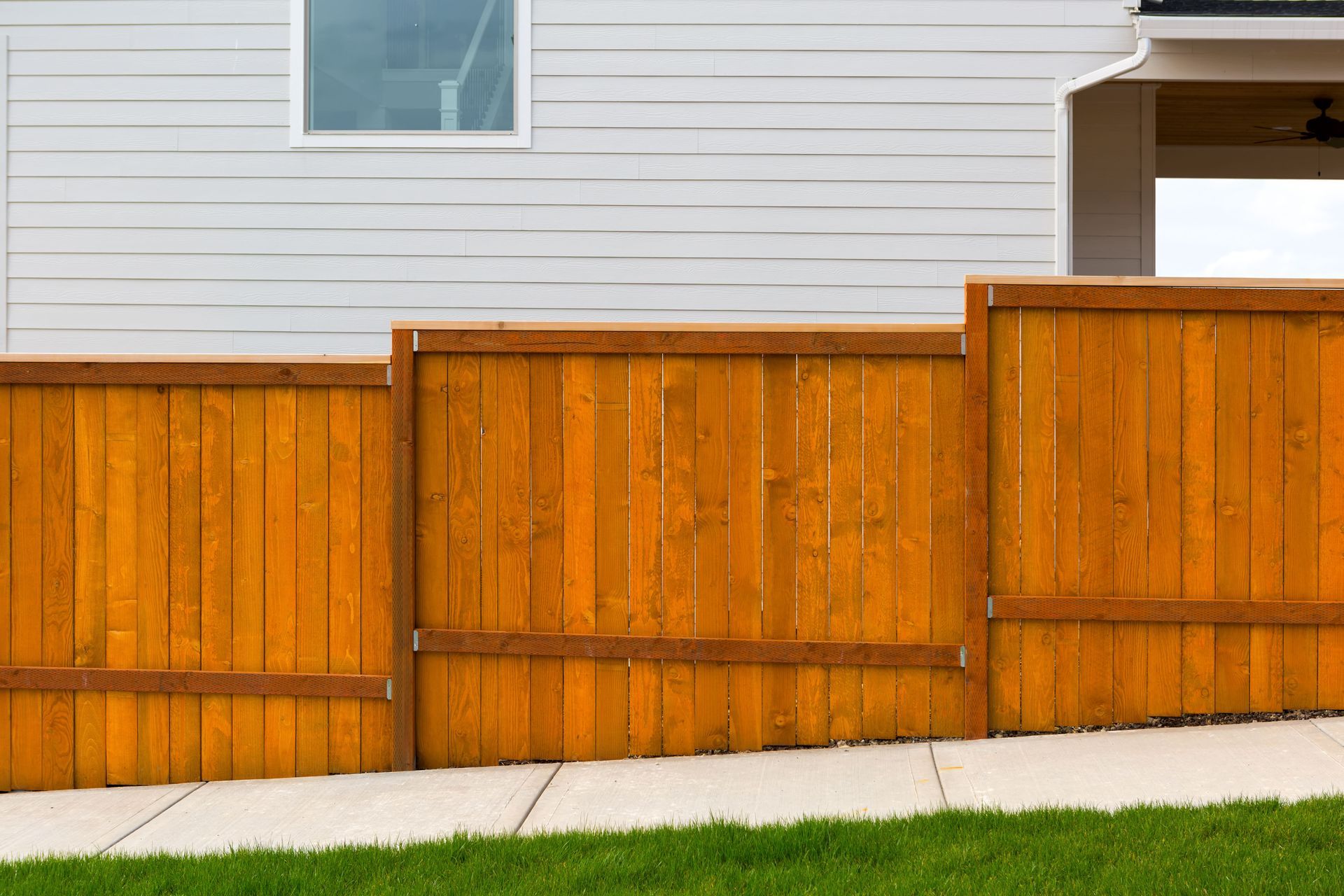
Wood fencing remains a timeless choice due to its natural warmth, versatile styling, and customization potential. Property owners can choose from various species, including cedar, redwood, and pressure-treated pine, each offering distinct grains and natural resistance to decay. Wood allows you to easily paint or stain panels to match your home's exterior color scheme as design trends change over time. However, wood requires ongoing maintenance, such as periodic sealing and staining, to prevent rot, warping, and termite damage caused by moisture exposure.
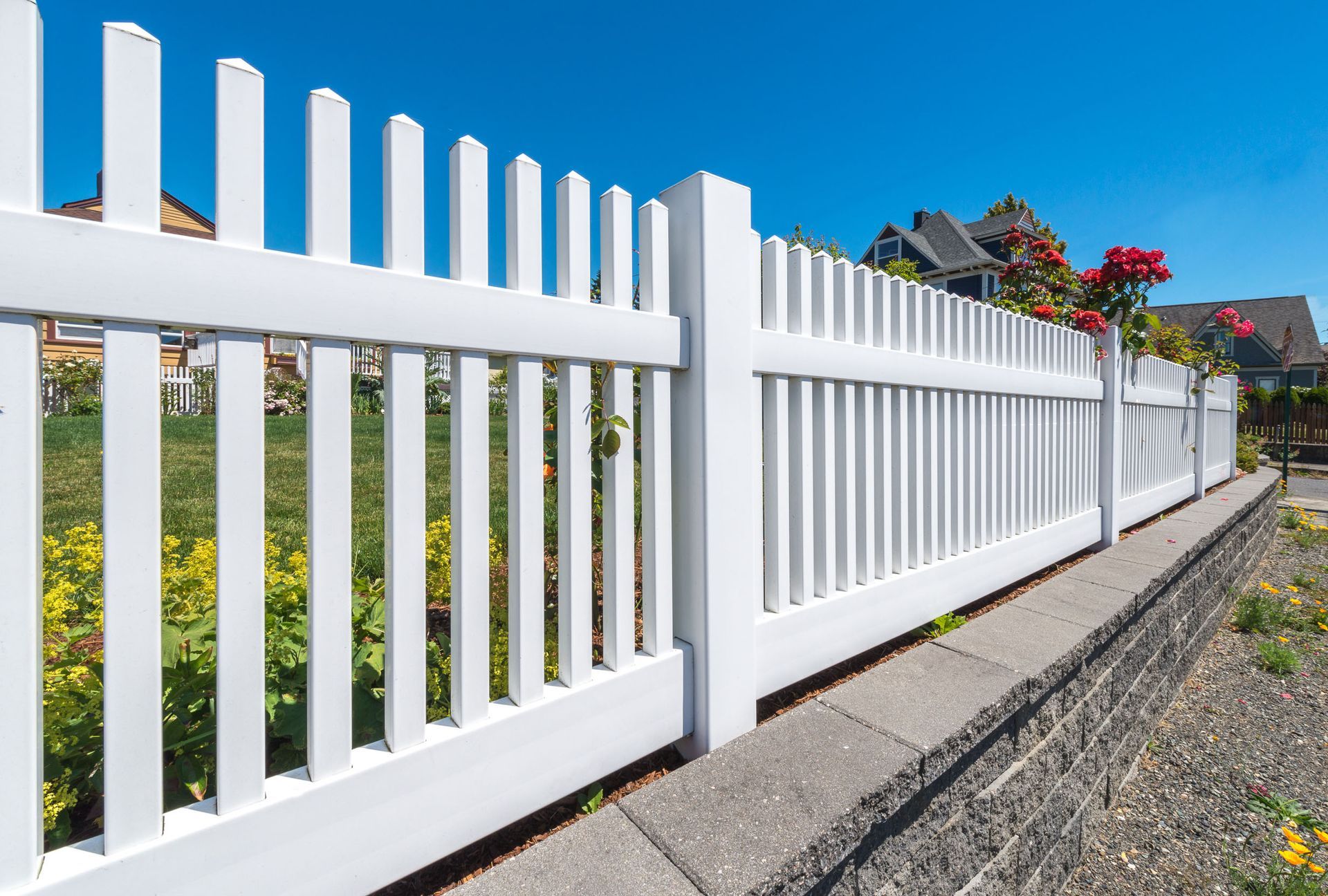
Vinyl fencing has emerged as a low-maintenance alternative that provides exceptional longevity and weather resistance. Manufactured from durable PVC polymers, vinyl panels will not rot, blister, chip, or peel, eliminating the need for painting or staining. Modern vinyl products are available in numerous styles, including solid privacy tongue-and-groove panels, semi-private designs, and realistic faux wood grain textures. While vinyl typically carries higher initial material costs, its minimal long-term maintenance requirements make it an economical investment over its extended lifespan.
Analyzing Metal Strength and Composite Durability
Metal options like aluminum and ornamental steel deliver exceptional structural strength, security, and refined elegance. While standard iron or aluminum pickets leave open gaps, modern manufacturers offer metal privacy systems featuring interlocking slats or decorative composite inserts. Metal components receive protective powder coatings that shield the underlying material from rust, corrosion, and sun damage. These durable structures withstand severe weather and high winds exceptionally well, offering long-term reliability for security-conscious homeowners who want a durable yard fence supply.
Composite fencing combines recycled wood fibers and plastic resins to deliver the authentic appearance of natural timber alongside the low-maintenance performance of synthetic materials. Composite boards resist moisture absorption, wood-boring insects, warping, and fading without requiring regular chemical treatments or stains. Available in a rich spectrum of natural earth tones, composite systems offer an eco-friendly privacy solution for environmentally conscious buyers. Although initial material costs sit at the higher end of the spectrum, composite fencing offers superior durability and long-term return on investment.
Budgeting for Maintenance and Avoiding Hidden Costs
Factoring recurring maintenance expenses into your long-term budget prevents financial surprises down the road. Wood systems require fresh sealant, stain, or paint every two to three years, along with occasional board replacements. Vinyl and composite barriers generally only require periodic pressure washing with mild soap and water to clear off surface dirt and mildew. Additionally, hardware components like gate hinges, latches, and post caps require periodic inspection and tightening to keep your entire structure functioning smoothly and securely.
Unforeseen site conditions can quickly increase overall installation expenses if not identified during initial planning. Rocky terrain, heavy clay soil, steep slopes, or dense tree roots require specialized digging equipment and extra labor during post-setting. Property survey costs, municipal building permit fees, and underground utility marking services must also be factored into your financial estimates. Identifying these potential site challenges early ensures your project stays within its expected budget without sacrificing structural quality or visual appeal.
Adapting Materials to Climate and Environmental Conditions
Local climate conditions exert significant physical strain on perimeter structures throughout the year. Coastal areas with high humidity and salt air require corrosion-resistant materials like vinyl, aluminum, or stainless steel hardware. Regions subject to severe winter freezing and heavy snow loads demand deep post installation below the frost line alongside rigid, frost-resistant paneling. Selecting climate-appropriate materials ensures your perimeter structure maintains its structural integrity and visual appeal through all seasonal weather extremes.
Soil composition directly affects post stability and the long-term vertical alignment of your structure. Loose sandy soil or wet, unstable earth requires deeper post holes reinforced with concrete footings to prevent post leaning and structural sagging over time. According to Zippia.com, there are over 24,504 fence installers currently employed in the United States, providing homeowners with widespread access to trade expertise for evaluating complex ground conditions. Utilizing specialized installation techniques guarantees your perimeter barrier remains straight, stable, and secure for decades.
Evaluating Professional Installation and Maintenance Routines
Choosing between self-installation and hiring experienced contractors depends on your skills, tools, and available time. DIY projects offer potential labor savings, but require precise layout planning, heavy digging, post leveling, and knowledge of local building codes. Professional installation teams bring specialized machinery, trade experience, and efficiency, ensuring posts are correctly anchored and panels align seamlessly. Professional services often include labor warranties and permit handling, offering valuable peace of mind and protecting your property investment.
Establishing a consistent maintenance routine extends the functional lifespan of your perimeter barrier significantly. Inspecting your structure each spring allows you to catch minor issues, such as loose fasteners, minor post movement, or surface wear, before they turn into major structural repairs. Clearing away accumulated soil, dead leaves, and moisture-trapping debris from the bottom of panels prevents premature decay and pest infestation. Investing minimal time in ongoing upkeep keeps your yard fence supply performing at its peak year after year.
Selecting Styles and Customizing Landscape Aesthetics
Harmonizing your style with your home's existing architecture creates a cohesive curb appeal. Traditional architectural styles pair naturally with classic wood pickets or decorative wrought iron, while contemporary modern homes benefit from the clean lines of horizontal composite slats or sleek vinyl panels. Matching color tones, cap styles, and decorative gate hardware with your house trim reinforces architectural unity, turning a practical privacy barrier into a standout design feature that elevates your overall property value.
Integrating living greenery with physical structural elements softens perimeter boundaries while maximizing screening density. Training climbing vines like jasmine, clematis, or ivy across trellises and paneling adds vibrant color and seasonal blooms to solid surfaces. Positioning garden beds, ornamental grasses, and small trees along the interior base breaks up large expanses of flat fencing, adding visual depth and rich natural textures. This combination of landscaping and hardscaping delivers a private, serene outdoor living environment.
Choosing the right perimeter barrier requires balancing material durability, climate resilience, architectural style, and overall project costs. By carefully evaluating options ranging from classic timber and modern vinyl to high-strength composite and metal systems, you can select a yard fence supply that fulfills your privacy requirements while raising your property's value. Proper planning, professional installation, and routine maintenance ensure your investment delivers quiet enjoyment, security, and beauty for many years to come. For top-tier materials and professional installation services tailored to your property, contact the team at Aaron Fence.