October 23, 2026
A fence does a lot of work for your property. It marks boundaries, keeps pets and children safe, adds privacy, and gives your home a finished, attractive look. Because fences are exposed to the elements every day, they gradually wear down over time. Sun, rain, wind, snow, insects, and even lawn equipment can all take a toll. The good news is that most fence problems start small and give clear warning signs before they become serious. Catching these issues early can save you money, extend the life of your fence, and help you avoid a full replacement. Here are seven early warning signs that your fence may need repair.
1. Leaning or Sagging Sections
One of the most noticeable signs of trouble is a fence that has started to lean or sag. A fence that once stood straight but now tilts to one side often points to a problem below the surface. Soil erosion, heavy rain, frost heave, and weakened posts can all cause sections to shift. Strong winds may also push panels out of alignment, especially on taller privacy fences that act like a sail. While a slight lean may not seem urgent, it usually gets worse over time. As the fence continues to shift, it places added stress on posts, rails, and hardware, which can eventually lead to sections collapsing. Our fence company can determine whether the issue is caused by a failing post, poor drainage, or another underlying problem and recommend the right fix before the damage spreads.
2. Rotting or Soft Wood
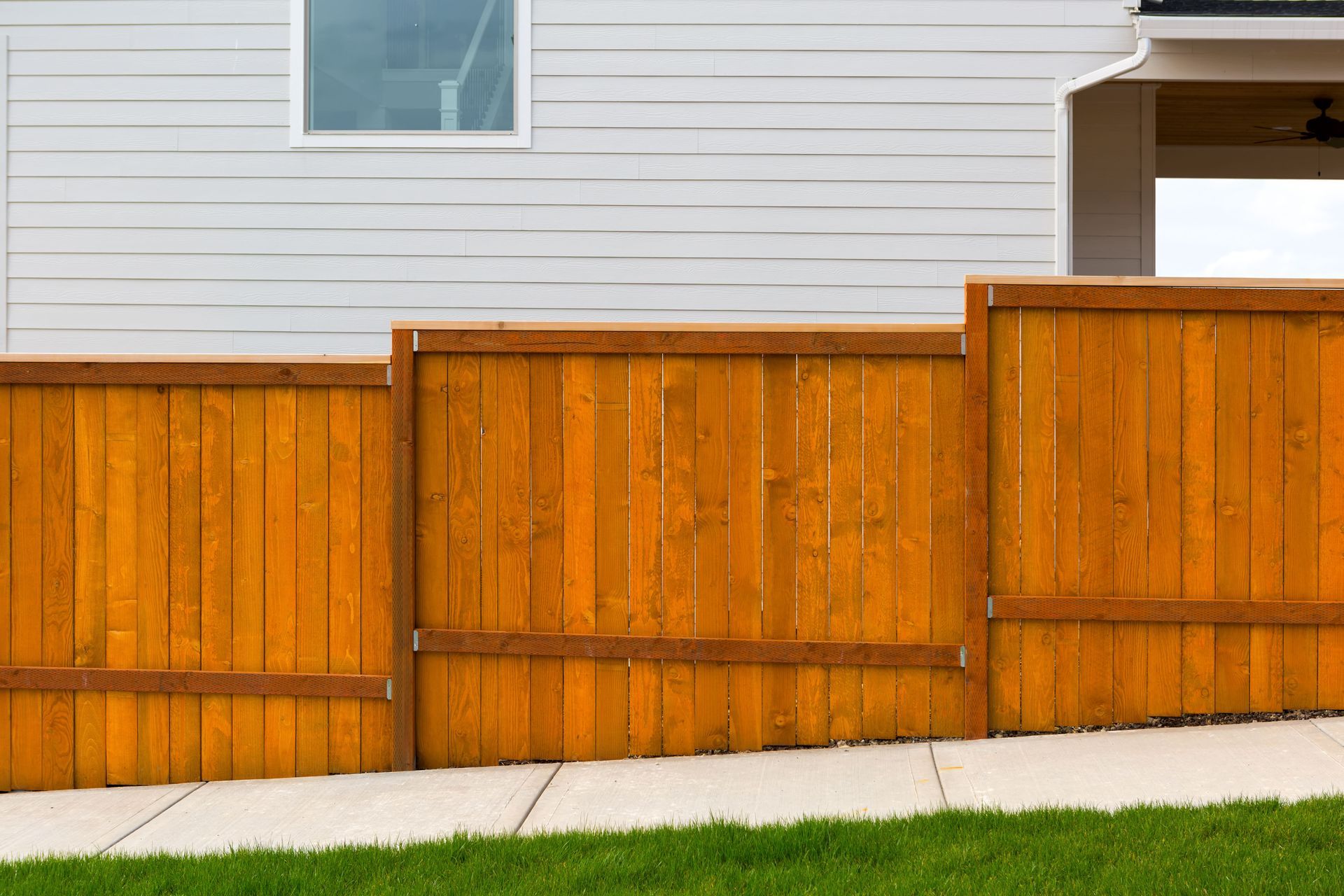
Wood fences are especially vulnerable to rot, particularly in areas where moisture collects. The bottoms of posts and boards that sit close to the ground, areas shaded by trees or shrubs, and spots near sprinklers are common trouble zones. Signs of rot include dark discoloration, soft or spongy wood, crumbling edges, and mushrooms or fungal growth. You can often press a screwdriver into rotting wood with very little effort. Rot weakens the structural strength of the fence and can spread to nearby boards and posts if left untreated. Replacing damaged boards or posts early can stop rot in its tracks and help preserve the rest of the fence. As a fence company that works with wood fences every day, we know how quickly minor rot can turn into a much larger repair.
3. Loose or Missing Boards
Boards that are loose, cracked, warped, or missing are more than a cosmetic issue. They can create gaps that allow pets to escape, invite unwanted animals into your yard, and reduce the privacy your fence was meant to provide. Loose boards often result from nails or screws backing out over time as wood expands and contracts with changing temperatures and moisture levels. Warping and splitting can also occur when wood is exposed to sun and rain without proper protection. Leaving these problems unaddressed can allow damage to spread as neighboring boards take on more stress. Replacing or securing boards promptly restores the strength and appearance of your fence and keeps your yard secure. It's also a good idea to walk the full length of your fence every few months, since loose boards along back corners or behind landscaping are easy to miss until a pet finds the gap.
4. Rust and Corrosion on Metal
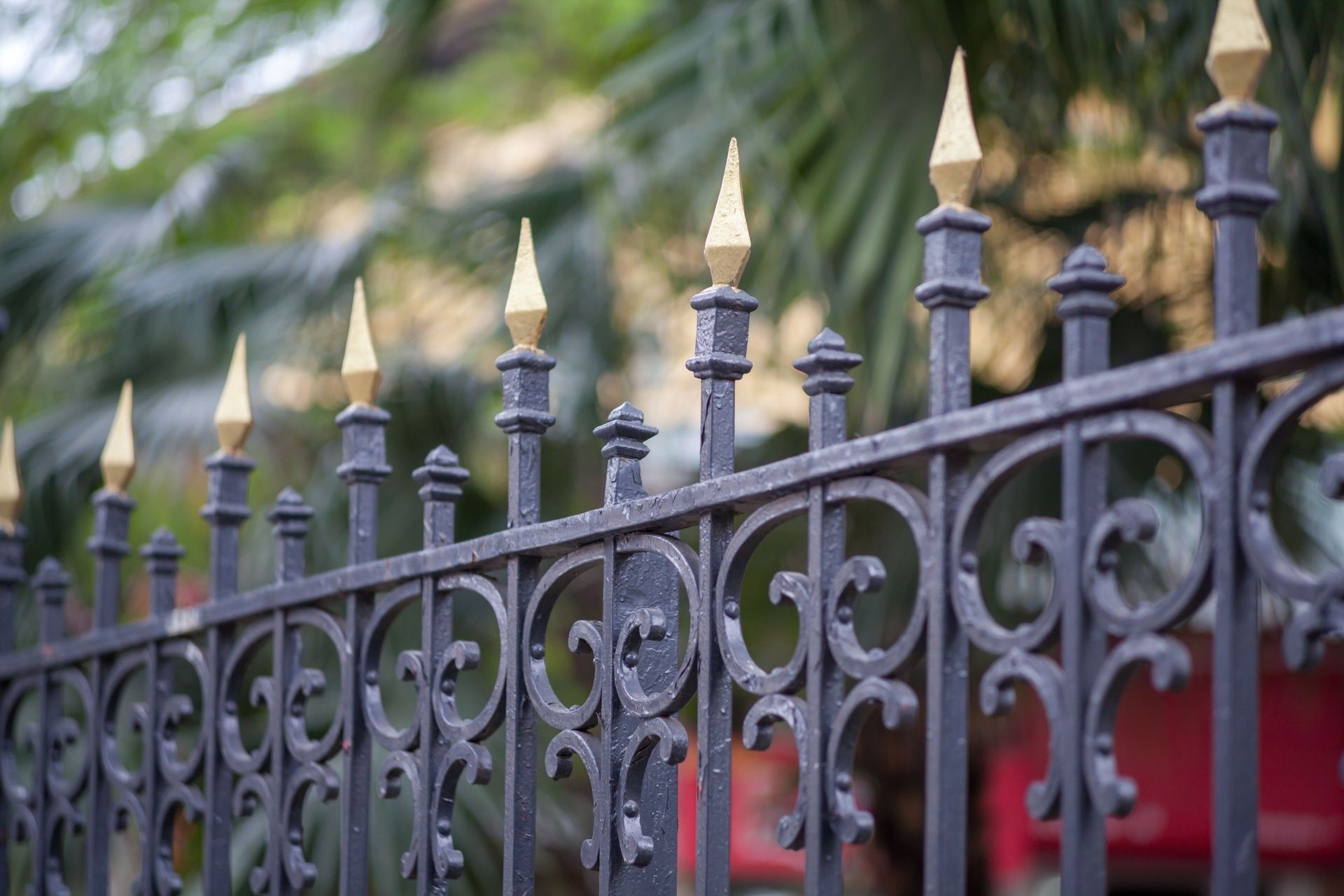
Metal fences, including chain link, wrought iron, and aluminum, are known for their durability, but they still need attention. Steel and iron fences are prone to rust, especially in areas exposed to frequent moisture, lawn sprinklers, or snow and road salt. Early signs include small orange or brown spots, bubbling or peeling paint, and flaking metal. Over time, rust can eat through rails, pickets, and posts, weakening the entire structure. Chain link fences may also develop loose ties, sagging fabric, or bent top rails. Aluminum fences don't rust, but they can suffer from bent sections, loose fasteners, or damaged finishes. Addressing corrosion early through cleaning, refinishing, or replacing damaged components can add years to a metal fence's life. Our fence company can evaluate the extent of the damage and recommend repairs that restore both strength and appearance.
5. Damaged or Sagging Gates
Gates get more use than any other part of a fence, which makes them one of the first areas to show wear. A gate that drags on the ground, doesn't latch properly, or swings open on its own is a clear sign that something needs attention. Common causes include loose or worn hinges, sagging gate frames, shifting posts, and broken latches. A malfunctioning gate can be frustrating to use and may also compromise your home's security or allow pets to slip out. Small adjustments, new hardware, or added bracing can often solve the problem. However, if the gate post itself has shifted or weakened, more extensive repairs may be needed. Having our fence company inspect your gate means the issue gets fixed correctly the first time.
6. Cracked or Shifting Posts
Posts are the backbone of any fence, and when they fail, the rest of the structure quickly follows. Cracks, splits, rot at the base, and movement when you push on the fence are all signs that posts may be compromised. Concrete footings can also crack or shift over time, especially in areas with freeze-thaw cycles or poor drainage. Because posts carry the weight of rails, panels, and gates, even one weak post can cause nearby sections to lean or sag. Repairing or replacing posts typically requires digging, setting new footings, and properly aligning the fence, which is a job best left to professionals. As a fence company with the tools and experience to handle post repairs, we make sure the new posts are set securely so your fence stays sturdy for years to come.
7. Fading, Peeling, or Weathered Finish
The finish on your fence does more than make it look nice. Stains, sealants, and paints protect wood and metal from moisture, UV rays, and general wear. When the finish begins to fade, peel, crack, or wash away, the material underneath becomes more vulnerable to damage. Wood may start to gray, splinter, or absorb water, which can lead to warping and rot. Metal may become more prone to rust. Keeping up with routine care is key. According to Pickets.com, wood fences should be resealed or stained every 12 to 24 months and inspected once a year. Paying attention to the condition of your fence's finish can help you schedule maintenance before more serious repairs become necessary. Our fence company can refresh protective finishes and handle any repairs needed beforehand so your fence looks great and stays protected.
At Aaron Fence, we know your fence is an important investment in your home's privacy, safety, and curb appeal. Our experienced team provides professional fence repair for a variety of fence styles and materials, handling everything from leaning sections and damaged boards to broken gates and failing posts. We take the time to identify the root cause of each problem so we can recommend lasting solutions that fit your needs and budget. Whether you've noticed a small issue or your fence needs more extensive work, we're here to help restore its strength and appearance. Contact Aaron Fence today to schedule a fence inspection and keep your property protected for years to come.