September 14, 2026
Selecting optimal security infrastructure requires evaluating structural integrity, long-term durability, and spatial logistics to protect high-value assets. Modern security environments demand physical barriers that prevent unauthorized entry while remaining resilient against environmental wear and physical intrusion. Choosing the right metal fence supplies ensures that commercial, industrial, and high-security residential properties maintain a strong perimeter defense year-round. This article provides an extensive analysis of critical variables, ranging from material science and spatial spacing to technological integration and long-term facility management.
Making informed investments in security hardware requires balancing physical strength, local perimeter threats, regulatory compliance, and architectural harmony. Security managers must assess vulnerability profiles while considering long-term lifecycle costs and total maintenance requirements. By selecting commercial-grade materials and pairing them with structured perimeter controls, property owners can establish an enduring visual and physical deterrent.
Assessing Perimeter Threats
Evaluating site-specific risk factors represents the foundation of any effective physical security strategy. Every property presents distinct vulnerability profiles based on geographic location, asset density, and local crime dynamics. Identifying potential breach points along a perimeter allows security professionals to specify appropriate reinforcement levels and hardware grades. According to Custom Market Insights, metal components dominated the U.S. fencing market in the mid 2020s with a market share of 45.1%, demonstrating the preference for durable and secure materials. Strategic allocation of high-security barriers around sensitive infrastructure ensures efficient risk mitigation across the entire site.
Analyzing layout irregularities, vegetation cover, and spatial dimensions prevents structural blind spots that intruders could exploit. Topographical variations require specialized framing adjustments to prevent clearance gaps beneath the lower rail assembly. Furthermore, high-priority zones such as equipment vaults, loading docks, and data infrastructure demand elevated security specifications compared to standard boundary lines. Conducting a thorough risk assessment ensures that the selected metal fence supplies provide targeted defense where vulnerabilities are highest.
Evaluating Material Characteristics
Selecting appropriate metallic alloys determines the mechanical strength, corrosion resistance, and lifespan of a perimeter barrier. Industrial steel offers supreme tensile strength and impact resistance, making it the preferred choice for anti-ram and high-containment applications. However, steel elements must undergo galvanization or specialized powder coating to mitigate oxidation risks in harsh environments. Aluminum options provide high strength-to-weight ratios alongside natural corrosion resistance, making them ideal for high-humidity or coastal installations where chemical degradation is a primary concern. Every installation environment presents distinct weather patterns that influence material longevity over decades.
Balancing capital expenditure against long-term operational maintenance is essential when selecting structural components. While heavy-gauge wrought iron or thick-walled steel posts demand higher initial material outlays, their operational lifecycle far exceeds lighter alternatives. Furthermore, weather-resistant coatings maintain structural integrity against temperature fluctuations, UV radiation, and atmospheric moisture. Selecting specialized metal fence supplies engineered for environmental resilience minimizes long-term repair cycles while ensuring consistent perimeter defense. Rigorous testing of these protective surface treatments ensures optimal defense against atmospheric wear.
Integrating Architectural Controls
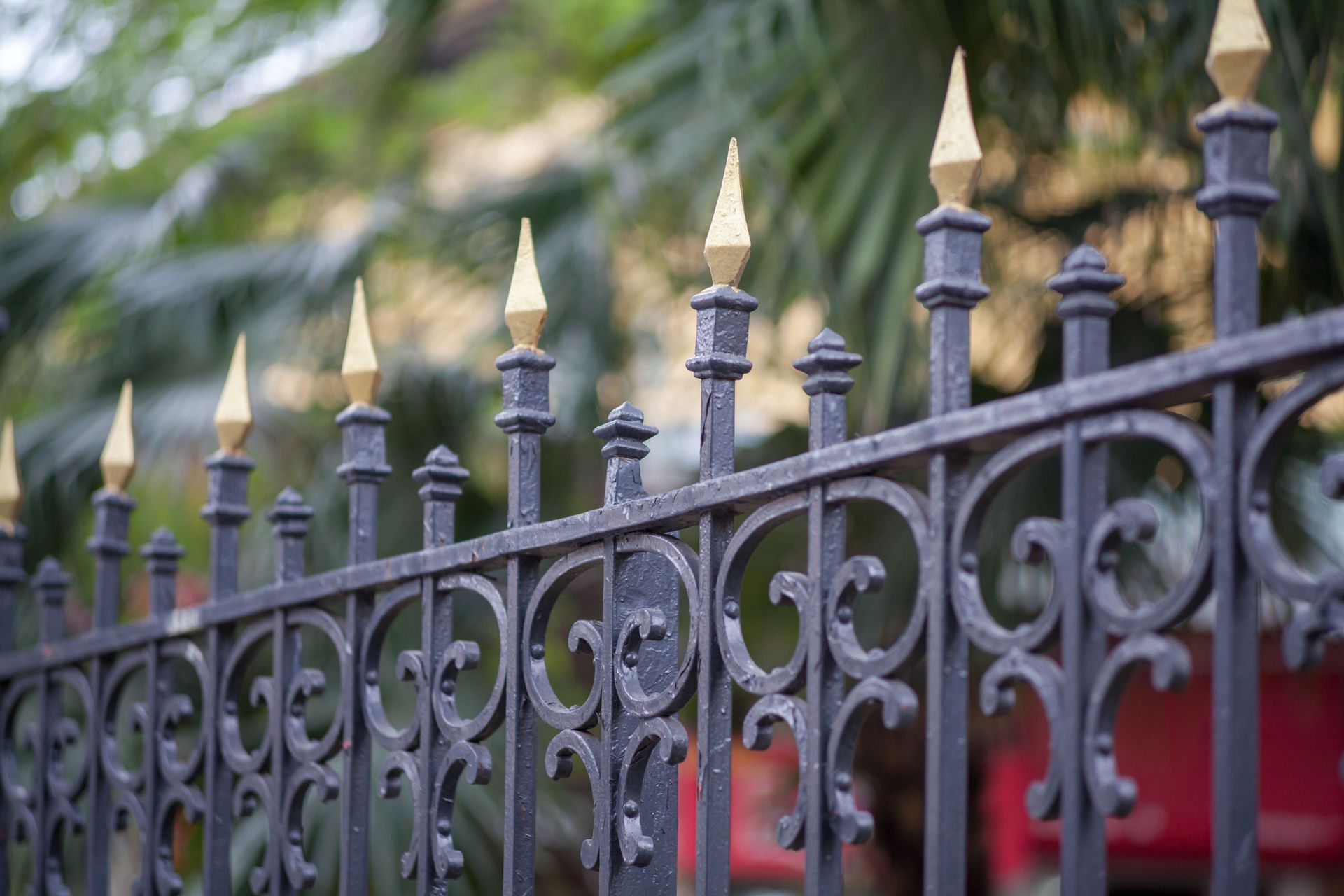
Designing a high-security boundary requires balancing visual deterrence, community aesthetic guidelines, and structural performance. A well-engineered perimeter must deliver clear anti-intrusion visual cues without presenting an overly militarized appearance in commercial settings. Modern manufacturing techniques allow ornamental steel and heavy-duty aluminum assemblies to combine high tensile strength with clean architectural lines. Incorporating decorative pickets, specialized post caps, and dark protective finishes maintains corporate image while presenting a formidable physical deterrent to potential trespassers. Careful planning guarantees that visually appealing boundaries do not sacrifice essential physical protective properties.
Navigating municipal building codes, setback requirements, and industrial zoning laws is necessary prior to finalized perimeter engineering. Local zoning boards often enforce strict maximum height limitations, material specifications, and opacity standards for property lines. Choosing custom metal fence supplies designed to meet regulatory guidelines ensures seamless project approval while preventing costly structural modifications later. Property managers must integrate aesthetic choices with physical security parameters to build compliant, visually cohesive perimeter barriers. Proactive coordination with local authorities streamlines approval processes for customized corporate perimeter designs.
Optimizing Heights and Spacing
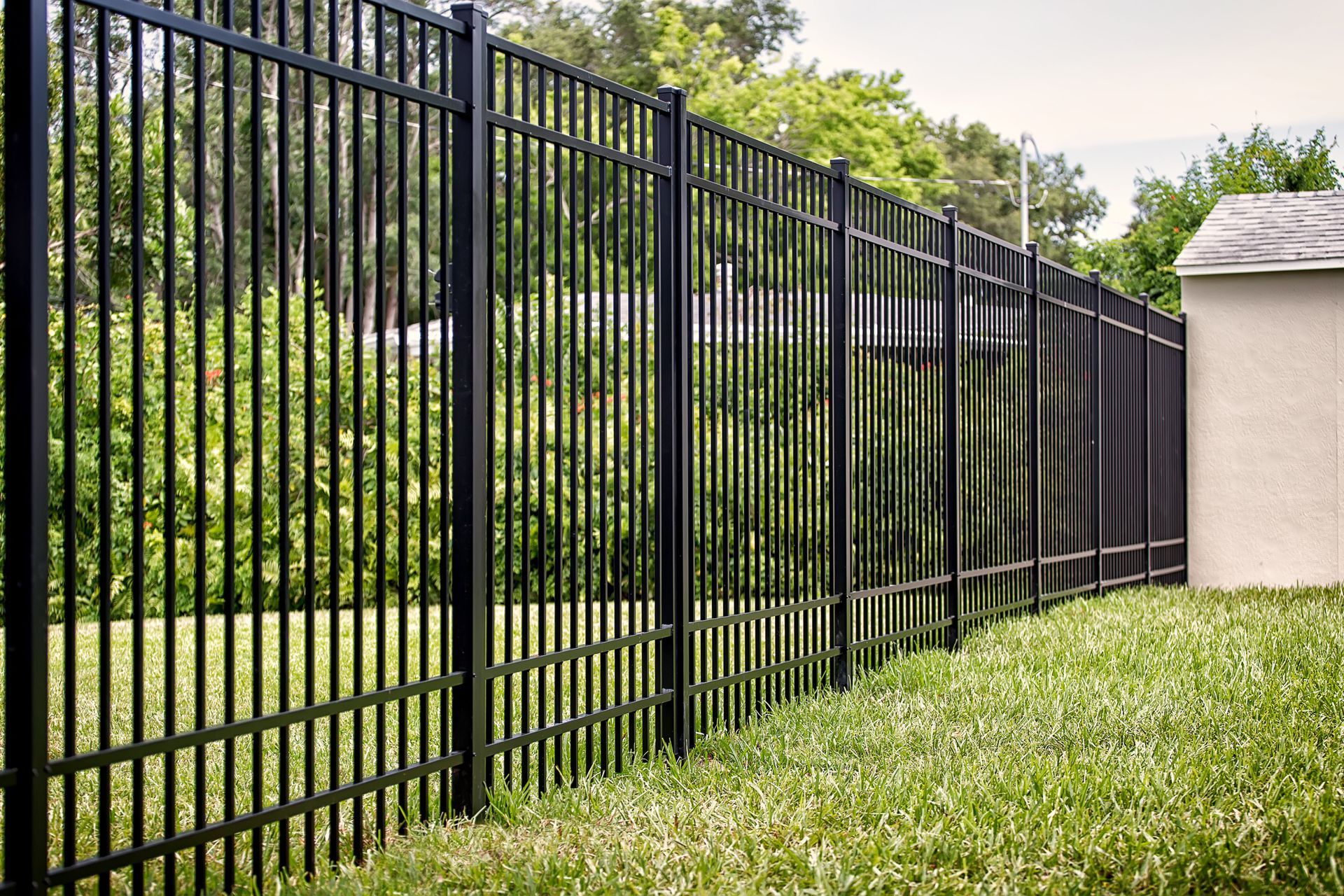
Determining proper fence elevation and vertical picket spacing directly influences a barrier’s ability to prevent climbing and scaling. High-security applications typically require perimeter elevations of eight feet or higher to create substantial physical barriers to entry. In addition to overall height, minimizing the gap between vertical pickets prevents intruders from gaining footholds or passing tools through the fence line. Narrow spacing configurations maintain security integrity while preserving clear lines of sight for security personnel and surveillance devices. Proper height specification remains one of the single most effective physical deterrents available.
Integrating overhead anti-climb fixtures, outward curved toppings, or specialized pickets creates additional physical obstacles for potential intruders. Maintaining clear line-of-sight visibility through the fence line allows video surveillance systems and security patrols to monitor external perimeter zones effectively. Balancing total barrier height with narrow vertical spacing optimizes overall perimeter containment. Specifying high-density metal fence supplies ensures the physical structure deters scaling attempts while supporting continuous visual surveillance. Regular inspection of top rails helps ensure these deterrence features remain fully operational.
Deploying Smart Technologies
Modern perimeter defense relies heavily on integrating physical containment structures with electronic security systems. Attaching automated access control gates, biometric card readers, and vehicle management barriers to the primary fence line regulates property entry effectively. Furthermore, mounting infrared cameras, optical sensors, and automated floodlights directly to heavy-duty fence posts creates an active monitoring network. This integrated approach ensures immediate threat detection and automated alert transmission if a physical breach attempt occurs along the boundary. These electronic additions transform passive physical barriers into proactive threat identification networks.
Future-proofing a security perimeter involves installing conduit, wiring tracks, and mounting hardware capable of supporting emerging technology upgrades. Smart fence technology, including fiber-optic intrusion detection cables and vibration sensors, converts static steel panels into intelligent threat-sensing networks. Adding these specialized security features onto high-grade metal fence supplies enhances situational awareness across large geographic boundaries. Property managers maintain comprehensive control over physical access through coordinated sensor and barrier integration. Early adoption of scalable digital infrastructure simplifies future hardware integration as security technology advances.
Managing Professional Deployments
Ensuring the long-term stability and structural performance of a high-security fence requires professional site evaluation and precise engineering. Professional contractors analyze soil composition, determine proper concrete footing depth, and utilize commercial-grade post-anchoring techniques to withstand wind loads and impact forces. Incorrectly anchored posts or misaligned gate hardware can compromise perimeter integrity and lead to premature structural failure. Employing experienced commercial installation teams ensures that high-security barriers meet all load-bearing and alignment specifications. Expert technicians possess specialized equipment required to handle heavy steel framework components safely.
Establishing a scheduled post-installation inspection routine preserves the mechanical integrity and surface finish of metallic barriers over decades. Systematically checking post footings, gate hinges, locking mechanisms, and protective coatings allows facility managers to identify early signs of wear or corrosion. Utilizing commercial-grade metal fence supplies backed by comprehensive manufacturer warranties protects the capital investment against material defects. Partnering with professional contractors for long-term support guarantees continuous perimeter protection and operational readiness. Structured maintenance contracts help facility managers forecast long-term operational upkeep expenses accurately.
Securing commercial and high-value properties requires an uncompromised commitment to physical strength, strategic design, and advanced technology integration. Investing in premium
metal fence supplies provides property owners with a reliable long-term perimeter solution that deters unauthorized access and withstands environmental stress. Selecting appropriate material grades, optimizing spatial geometry, and integrating intelligent surveillance equipment creates a layered defense system that adapts to evolving security challenges. Long-term property protection depends heavily on choosing verified materials built to survive demanding physical conditions. For ultimate peace of mind and specialized security solutions, partner with Aaron Fence to design and implement your high-security perimeter today. Continuous innovation in perimeter security engineering ensures your property remains protected well into the future.