May 19, 2026
Choosing the right fence for privacy can feel overwhelming, given the variety of options available. From materials and styles to height, maintenance, and cost considerations, every decision affects how effectively your fence will meet your needs. Privacy isn’t just about shielding your yard from prying eyes; it can also enhance security, reduce noise, and complement the aesthetics of your home.
Understanding your goals, local regulations, and long-term upkeep requirements is crucial before making a choice. A well-chosen fence should provide peace of mind, block unwanted visibility, and contribute to your property’s overall appeal. By carefully considering these factors and consulting with reputable fence companies, you can select a fence that is both functional and visually appealing. With the right approach, your outdoor space can become a private, secure, and enjoyable retreat for your family and friends.
Understanding Your Privacy Needs
The first step in selecting a privacy fence is understanding why you want one. Some homeowners seek a barrier to keep pets and children safe, while others prioritize shielding their property from neighbors or busy streets. Privacy can also extend to sound reduction, where a dense fence can help dampen noise for a more serene outdoor environment. Identifying your core purpose ensures you select the right material, style, and height, giving you the desired balance of privacy, security, and beauty.
Determining the optimal height is critical to achieving your privacy goals. Most backyard fences fall between six and eight feet, offering adequate coverage without creating a sense of enclosure. Local zoning regulations may impose height limits, so it’s important to verify rules before installation. For properties on uneven terrain, you may need to adjust height to maintain consistent coverage.
Beyond height, consider visibility through or over the fence. Solid panels in vinyl or composite fencing provide maximum opacity, while spaced picket or metal fences may allow glimpses of your yard. Supplementing your fence with landscaping, such as shrubs or trellises, can further enhance privacy and create a layered, natural barrier. Considering sound dampening is also important.
Exploring Fence Materials
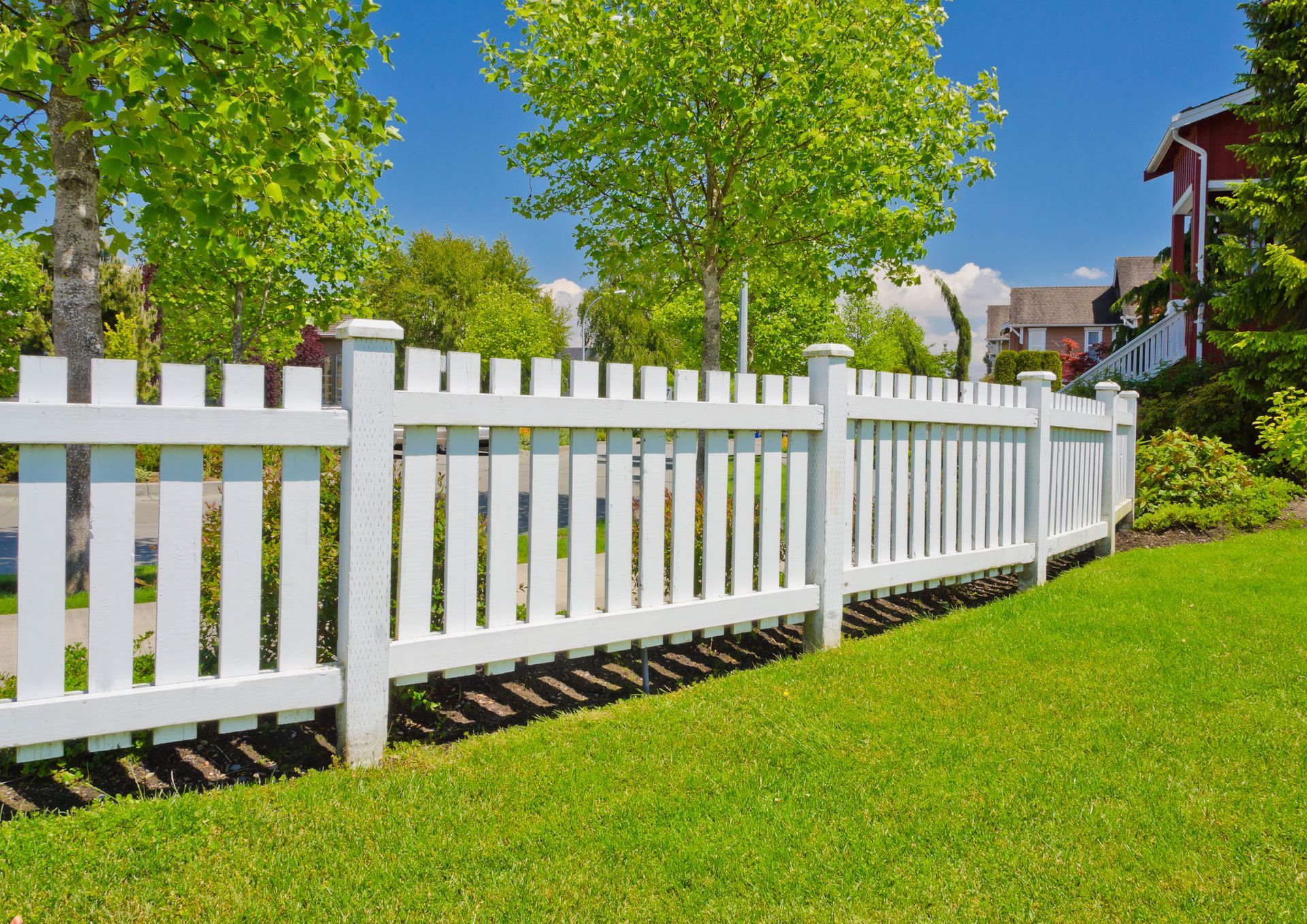
Selecting the right material is essential for durability, maintenance, and style. Wooden fences remain a popular choice, offering a classic look and customizability. Homeowners can adjust height, design, and finish to suit their property, and features like scalloped tops or lattice panels enhance both privacy and appeal. However, wood requires regular maintenance, including resealing or staining every two to three years, according to Pickets.com.
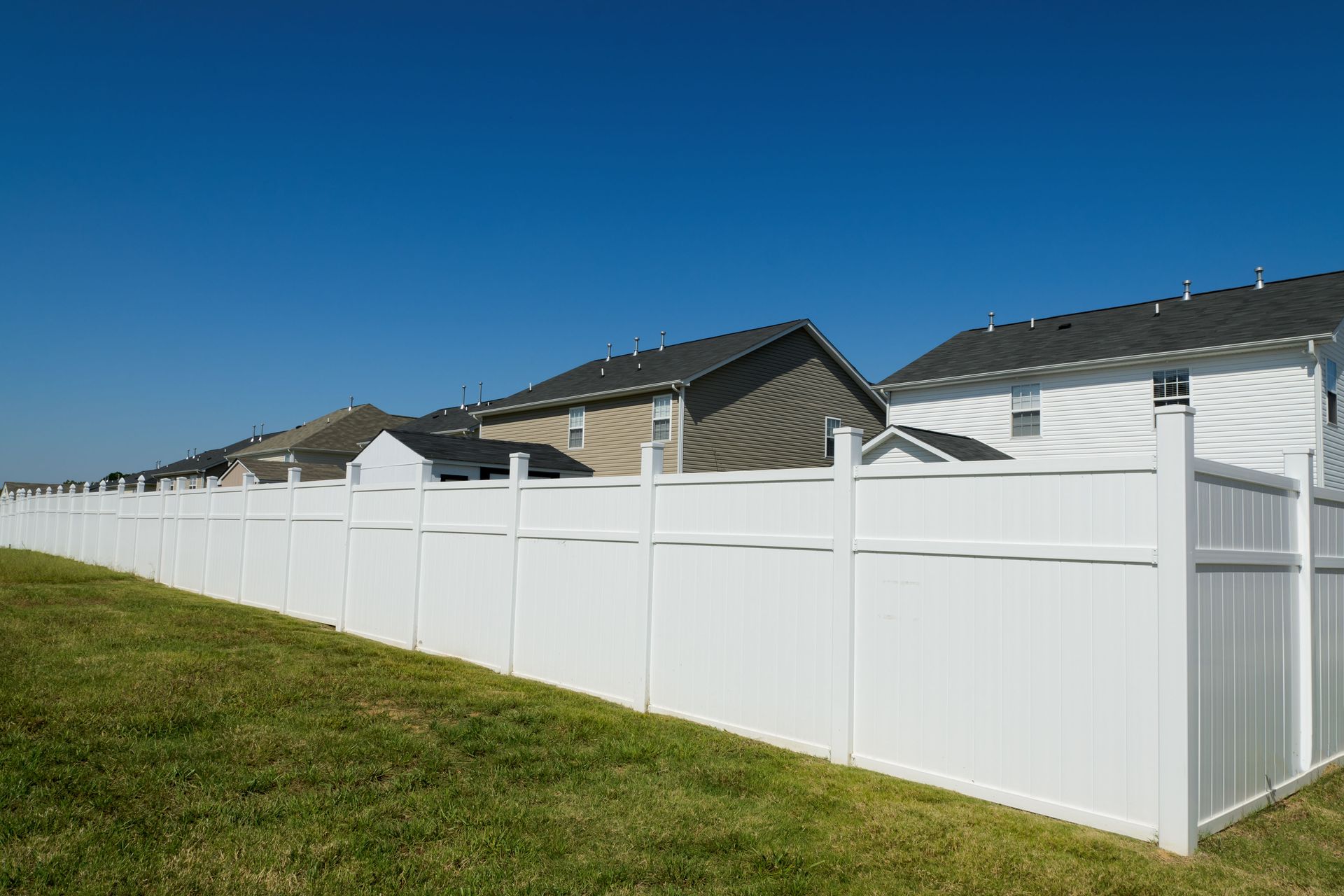
Vinyl fencing offers a low-maintenance alternative that resists rot, termites, and weather damage. It comes in various styles and colors, providing a durable solution that maintains its appearance with minimal upkeep. While the initial cost may be higher than wood, the long-term savings on maintenance can make vinyl more cost-effective.
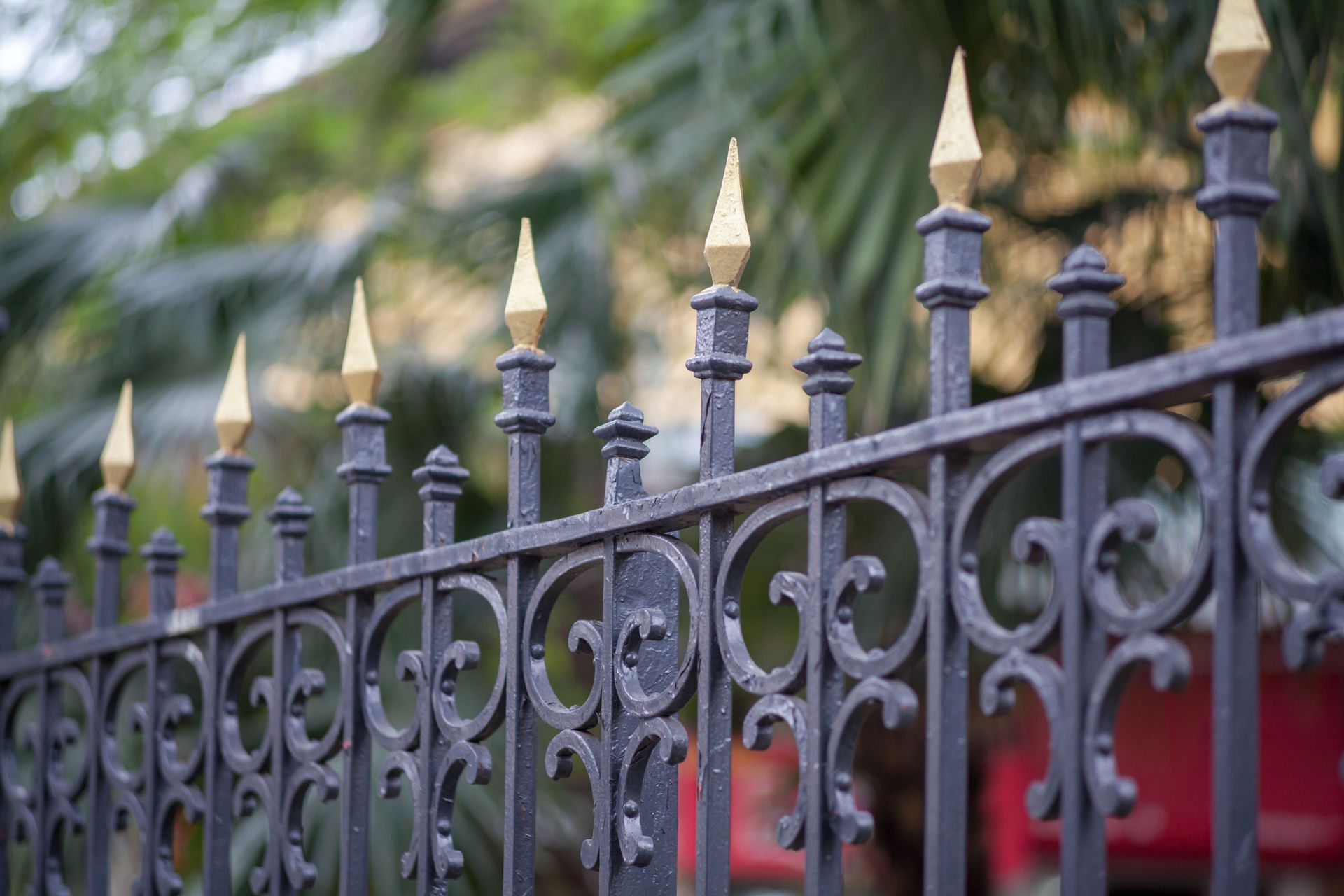
Metal fences, including wrought iron and aluminum, provide strength and security. While these fences may allow some visibility due to spacing between bars, the addition of panels or greenery can increase privacy. Metal fences require less frequent maintenance than wood, though periodic checks for rust or corrosion are essential. Composite fencing combines recycled wood fibers and plastic, offering eco-friendly durability with the natural look of wood.
For homeowners seeking a natural touch, hedges and bamboo offer effective privacy solutions. Hedges can form dense barriers that block both sight and sound, while bamboo grows quickly to create a visually interesting green wall. Though natural fencing requires regular pruning and care, it provides environmental benefits and enhances garden biodiversity.
Styles and Designs to Enhance Privacy
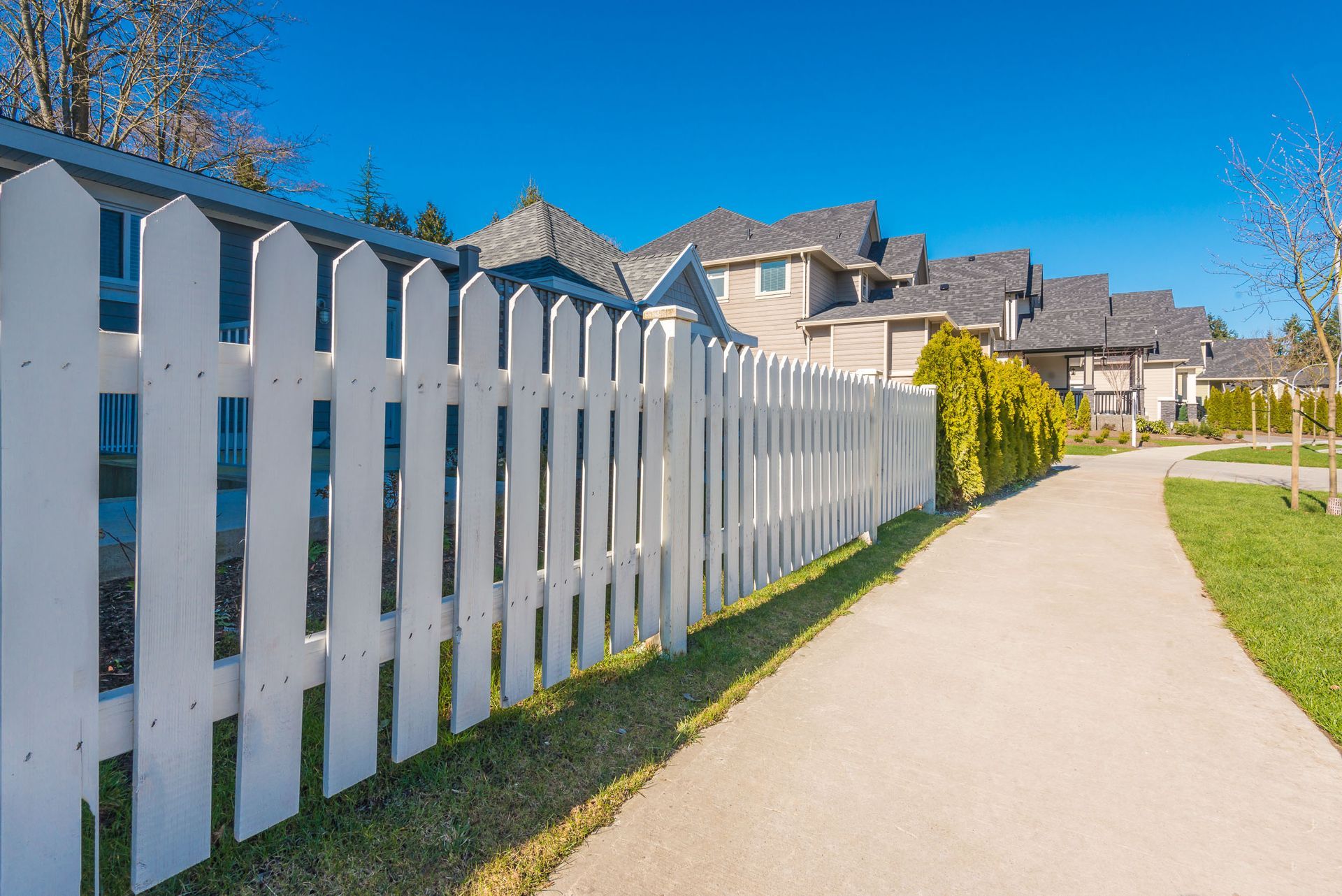
Fence style directly influences both privacy and appearance. Picket fences provide charm and curb appeal but leave gaps that compromise full privacy, making them ideal for front yards. Panel fences, in contrast, create solid barriers, offering maximum coverage for backyards or areas requiring security. Panel fences can be constructed from wood, vinyl, or composite materials, giving homeowners flexibility in design and style.
Orientation also matters. Horizontal designs convey modern sophistication and can make spaces feel larger, while vertical designs provide traditional sturdiness and are easier to install on sloped terrain. Decorative elements, such as lattice tops, trellises, or scalloped edges, enhance both privacy and visual appeal. Trellises support climbing plants, adding greenery and seasonal interest while further blocking views. Thoughtful style and design choices turn a simple barrier into a prominent feature of your landscaping, demonstrating that privacy and beauty can coexist seamlessly.
Navigating Local Regulations and Permits
Even the best privacy fence must comply with local laws and guidelines. Zoning regulations often specify acceptable heights, materials, and placements for residential fences, and noncompliance can result in fines or mandatory adjustments. Homeowners associations (HOAs) may impose additional restrictions on design and materials, requiring plan submissions or approvals before construction.
Securing permits is generally mandatory for substantial fence projects, and the process can vary by municipality. Applying early ensures timely approval and avoids delays. Property lines must also be respected to prevent disputes; professional surveyors can mark boundaries accurately, and open communication with neighbors helps avoid conflicts.
Working with experienced fence companies simplifies compliance with laws, permits, and HOA rules. Professionals provide guidance on design choices that meet regulatory requirements, handle permit applications, and ensure installation aligns with local codes. Their expertise reduces risks and allows homeowners to focus on selecting the right materials and styles for their property.
Cost and Budget Considerations
Understanding costs upfront helps prevent budget overruns. Material choice greatly impacts expenses, with wood generally less expensive initially than vinyl or composite. However, ongoing maintenance such as resealing or cleaning must be factored in for long-term budgeting. Labor is another significant consideration, with installation complexity influencing the overall cost. Hiring skilled professionals from reputable fence companies may incur higher initial fees but can reduce errors and ensure a high-quality finish.
Comparing the total costs, including maintenance over time, helps determine which material offers the best value. Some homeowners opt for partial DIY installation to save on labor costs, though professional guidance is often recommended for complex materials such as metal or composite. Additionally, budgeting for unexpected repairs or upkeep ensures that your fence remains in optimal condition, protecting both investment and privacy. Evaluating the trade-offs between materials, design, and installation expenses is key to making a financially sound decision.
Maintenance and Longevity of Privacy Fences
Routine maintenance extends the lifespan and effectiveness of your fence. Cleaning removes dirt, mildew, and debris that can compromise the fence’s appearance and structural integrity. Prompt repairs, such as tightening loose panels or replacing degraded fasteners, prevent small issues from escalating. Weatherproofing with sealants for wood or rust protection for metal shields your fence from environmental damage, extending its life.
Insect prevention is essential for wooden fences. Termites and other pests can cause significant structural damage if not addressed early. Proper landscaping around the fence reduces potential breeding grounds, and timely treatment protects your investment. Rot and corrosion are common problems that should be monitored and treated quickly to preserve longevity. Planning for eventual replacement is also important; over time, even well-maintained fences may need updating as materials wear or privacy needs evolve.
Choosing the best fence for privacy requires careful planning and consideration of multiple factors, including purpose, materials, style, regulations, budget, and maintenance. The right fence enhances security, reduces noise, and provides visual privacy while complementing your home’s overall design. Working with professional fence companies ensures that your installation complies with local laws, meets HOA guidelines, and delivers high-quality results.
By evaluating your needs and planning for the future, you can create a private, safe, and beautiful outdoor space that remains functional for years to come. For homeowners ready to elevate their property with a reliable privacy fence, Aaron Fence provides expert craftsmanship and guidance to bring your vision to life.