November 19, 2026
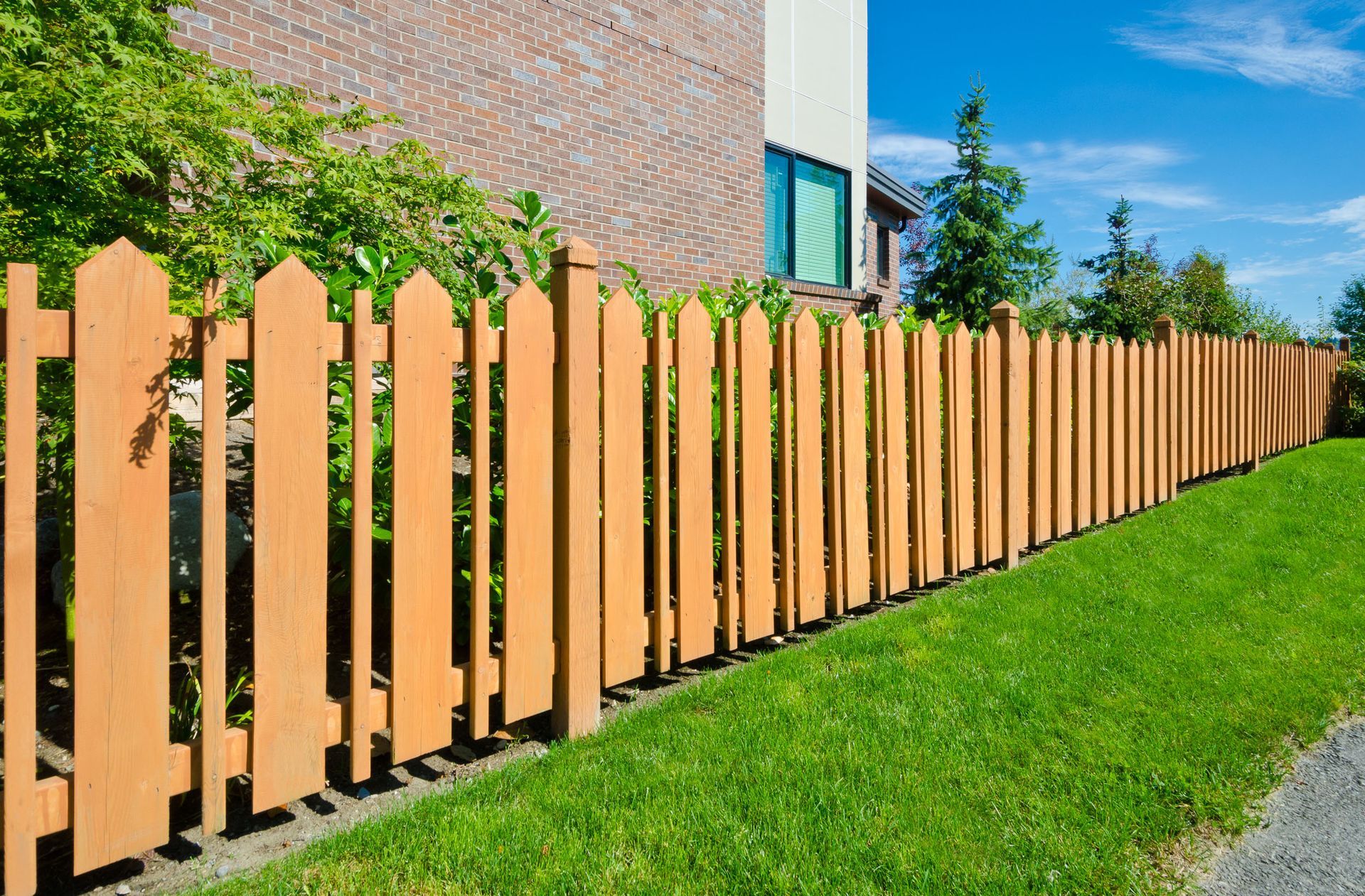
A sturdy fence does a lot more than draw a clean line along your property boundaries. It keeps pets safely in the yard, creates a quiet retreat for family cookouts, and blocks unwanted eyes from peering onto your patio. According to Gitnux,80% of homeowners who installed fencing reported improved privacy and security around their property. Yet, the hardest-working section of any perimeter is not the long stretch of panels running down the side yard—it is the gate. Every single day, your gate swings open-and-shut, bearing constant weight, sudden wind gusts, and shifting soil beneath the posts.
Most homeowners do not notice a problem until the bottom corner of the gate starts dragging across the driveway or the latch refuses to click shut without a heavy shoulder shove. By the time a gate visibly droops, the underlying damage has usually been building up for months. Experienced fence technicians know how to spot subtle wear across individual fence parts long before the frame twists out of square. Catching early hardware fatigue saves you from full gate replacements, keeps automated openers running smoothly, and protects your property line around the clock.
Checking Gate Hinges for Pin Wear and Metal Fatigue
Hinges bear the entire dead weight of a swinging gate, acting as the pivot point every time someone walks or drives through the entrance. Over thousands of open-and-close cycles, steel pins grind inside barrel housings, washers flatten out, and mounting bolts slowly back out of wooden or metal posts. When hinges begin wearing down, the gate drops just a fraction of an inch on the latch side, throwing off the entire alignment.
Seasoned installers inspect these critical fence parts by lifting the bottom edge of the gate gently to feel for vertical play or rattling inside the hinge knuckles. They also look closely for orange rust streaks bleeding down the post, bent mounting straps, and elongated screw holes where fasteners have lost their bite. Replacing worn hinges or upgrading to heavy-duty adjustable hardware stops downward sag immediately and restores effortless, one-handed gate operation.
Inspecting Latch Assemblies for Alignment and Strike Plate Contact
A gate latch serves as both a security lock and a structural stabilizer when the gate sits closed. As soil shifts through wet springs and dry summers, the latch post and hinge post often move independently, causing the latch bar to strike the top or bottom edge of the catch plate instead of gliding straight into the slot. Forcing a misaligned latch closed bends thin metal arms and loosens mounting screws over time.
When evaluating these everyday fence parts, technicians watch how the latch bar meets the striker plate at slow swinging speeds. Shiny scrape marks on the metal strike housing, bent gravity latches, or sticking thumb levers tell an experienced eye that the gate frame is starting to drift. Adjusting latch height and tightening mounting plates keeps the gate locked securely against wind gusts and stops kids or pets from pushing the gate open unexpectedly.
Testing Hinge Posts for Ground Lean and Footing Rot
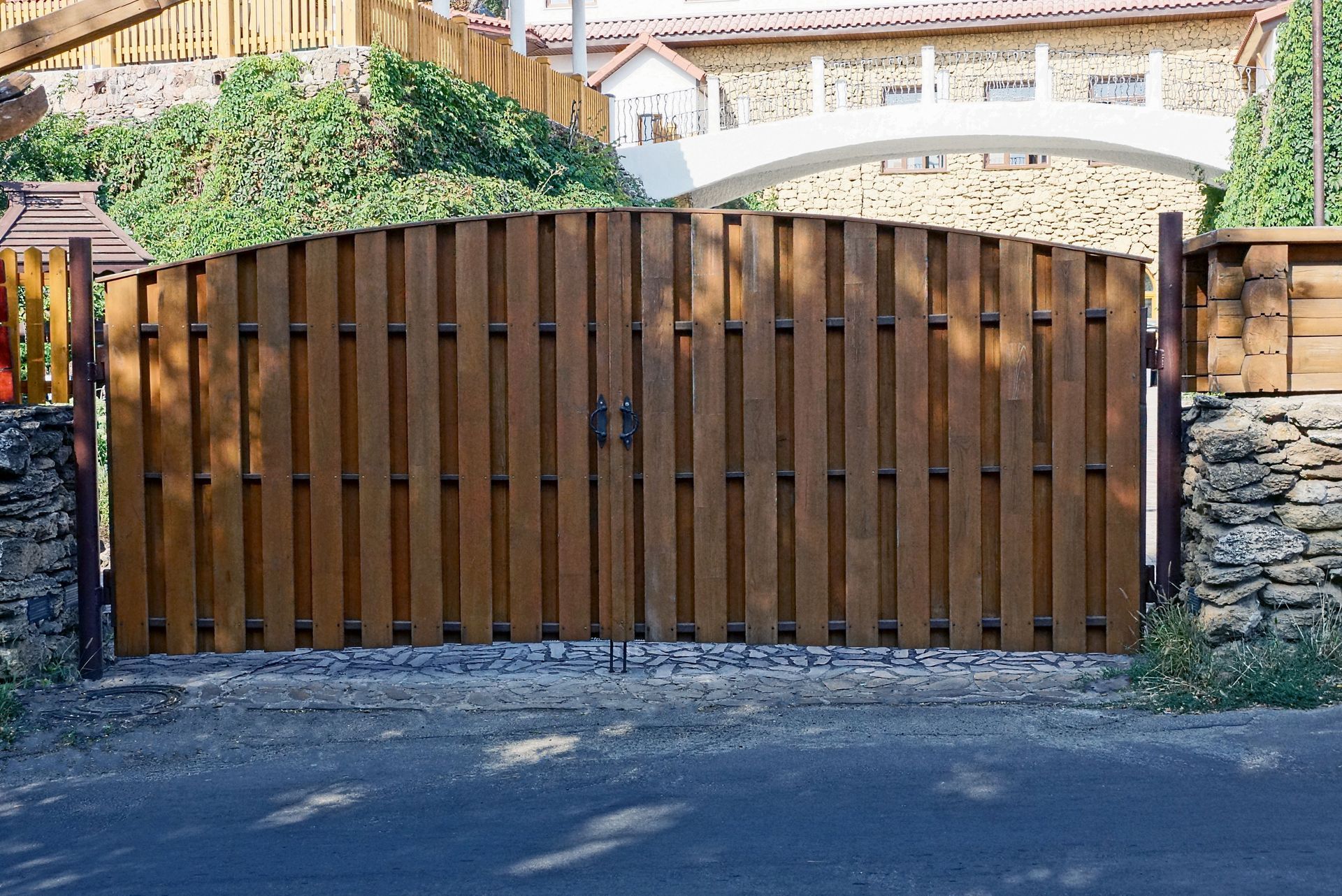
Even the strongest steel hinges cannot hold a gate level if the anchor post supporting them starts leaning inward under the weight of the frame. Gate posts endure tremendous rotational pull, especially on wide driveway gates, heavy wooden privacy gates, and wrought iron entrances. When rainwater pools around the base of a wood post or frost heaves push a concrete footing sideways, the entire post tilts toward the gate opening.
Technicians inspect structural fence parts by placing a long spirit level vertically against the hinge post and pushing firmly against the top cap to test for underground wobble. Soft, spongy wood near the soil line indicates fungal rot, while cracked concrete collars reveal shifting ground support. Reinforcing or resetting a leaning hinge post restores true plumb alignment, taking the strain off surrounding panels and bringing a drooping gate right back into square.
Examining Diagonal Braces for Frame Twist and Joint Separation
Rectangular gate frames naturally want to pull downward into a parallelogram shape due to gravity acting on the unsupported latch side. To fight that downward pull, builders install diagonal compression braces or tension rods running from the bottom hinge corner up toward the top latch corner. If a brace is installed backward, or if corner joinery loosens over time, the frame slowly twists and drops out of alignment.
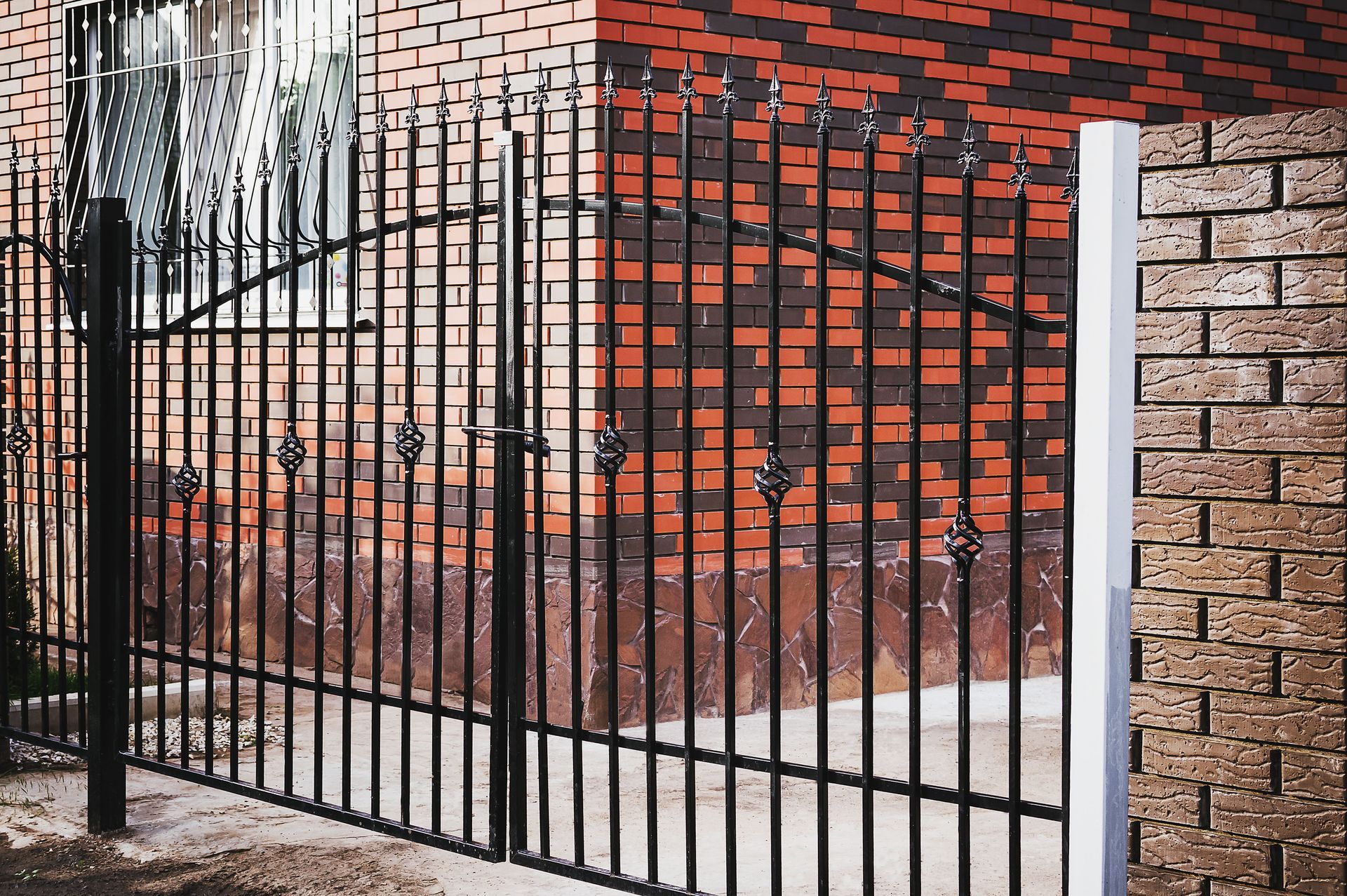
Careful inspections of internal fence parts reveal whether corner gussets, welds, or wooden brace notches remain tight and supportive. On wood gates, technicians check for rusted carriage bolts, split lumber ends, and shrinking mortise joints that allow the frame to rack downward. On aluminum, vinyl, and ornamental iron gates, pros inspect corner welds and internal reinforcement channels for hairline fractures. Tightening diagonal tension rods or rebuilding weak corner braces locks the frame back into a rigid, square rectangle.
Evaluating Automated Gate Openers and Track Rollers
Properties equipped with automatic driveway gates rely on electric motors, hydraulic arms, guide rollers, and safety sensors to move heavy metal or wooden frames smoothly. When a manual or automated gate begins dragging or binding on worn hardware, the electric opener motor has to work twice as hard to push the frame across its path. That extra mechanical resistance burns out motor gears, strips drive chains, and triggers false safety reversals.
During routine service visits, technicians test automated fence parts alongside mechanical hinges and sliding wheel tracks. They clear gravel out of bottom V-tracks, lubricate sealed roller bearings, inspect mounting brackets on swing arms, and verify that access control keypads and safety photo-eyes respond properly. Keeping sliding rollers and opener linkages clean prevents costly electrical motor failures and ensures your driveway entrance opens reliably in every season.
Reviewing Horizontal Rails and Pickets for Moisture Damage
While hardware gets most of the blame when a gate droops, deteriorating pickets, rails, and vinyl panels also contribute to sudden frame failure. Waterlogged wooden boards gain significant extra weight after heavy rainstorms, placing unexpected downward load on hinges and latches that were sized for dry lumber. Meanwhile, cracked vinyl rails or rusted chain link tension bars lose their structural stiffness, allowing the frame to flex in strong winds.
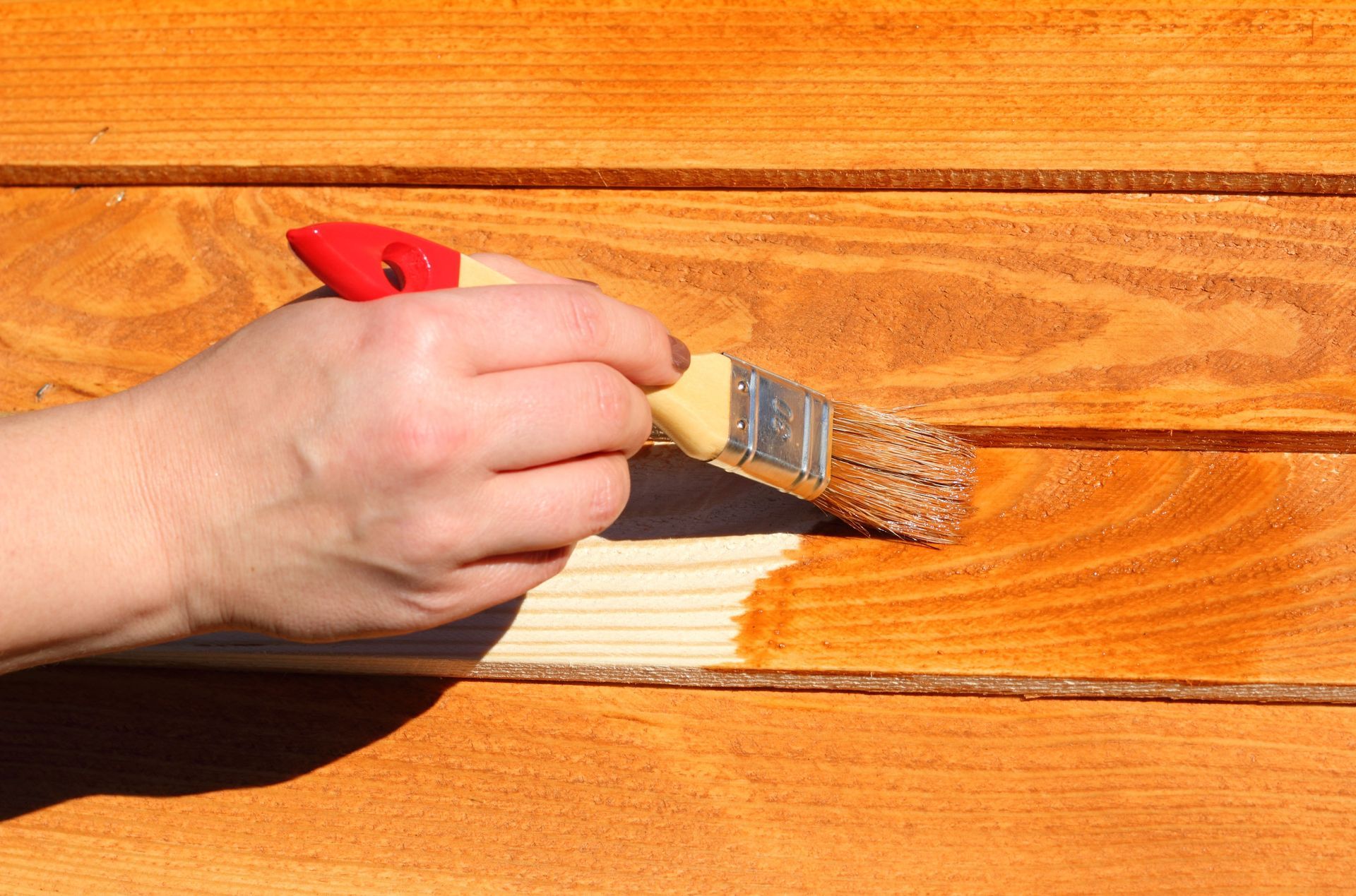
Checking exterior fence parts involves looking for cupping boards, peeling paint, chalky vinyl oxidation, and loose picket fasteners across both the gate and adjacent fence sections. Applying fresh exterior paint or protective wood stain seals out rainwater, keeping lumber lightweight and resistant to warping. Swapping out split pickets and securing loose rail brackets maintains uniform weight distribution across the entire gate span.
A well-built fence and smooth-swinging gate give your property reliable security, everyday convenience, and clean visual boundaries that frame your yard beautifully. Most gate failures never happen overnight; they start with subtle wear across hinges, latches, diagonal braces, automated rollers, and anchor posts that quietly shift over time.
Knowing how trained specialists spot early warning signs helps you protect your investment before minor hardware wear turns into a sagging, stuck gate. Addressing loose fasteners, leaning posts, and worn rollers early keeps your entrance operating effortlessly while preserving the safety and privacy your family counts on every day. When you want experienced eyes to inspect your gates, replace worn
fence parts, or handle dependable repairs and installations across your property, reach out to Aaron Fence online today to schedule your appointment today!