June 12, 2026
Deciding when to transition from maintaining an aging residential barrier to executing a complete property upgrade is a significant asset management challenge. A home's exterior boundary is not merely an aesthetic frame; it serves as a critical structural line that defines your landscape, safeguards your privacy, and establishes a secure perimeter for your household. Overlooking a decaying boundary can expose a property to civil liabilities, security vulnerabilities, and a sharp decline in overall curb appeal.
To make a financially sound and structurally practical fence installation decision, homeowners must evaluate a complex mix of material degradation, municipal codes, and long-term utility goals. Navigating this process with a methodical approach ensures that your property remains protected while maximizing the return on your capital investment.
Assessing the Current Fence Condition
Superficial flaws are often the first indicators that the lifespan of an exterior structure is drawing to a close. Missing slats, fractured pickets, and widespread warping are clear signs that the underlying material is failing. While localized fixes can address isolated issues, systemic degradation requires a broader solution. According to AFO, if more than 25% of your fencing is damaged, rotted, or worse, then you should get a full replacement. Continuing to patch a structure past this threshold is often a waste of resources, as the remaining material lacks the integrity to support the repairs.
Diagnosing Structural Weakness
A structurally sound perimeter must remain plumb and stable under continuous physical and environmental stress. If large sections of your boundary are leaning, wobbling, or sinking, it indicates a critical failure beneath the surface. Post footing degradation—often caused by soil shifts, frost heaving, or underground rot—undermines the load-bearing capacity of the entire line.
Left unaddressed, a compromised framework is highly vulnerable to collapsing entirely during severe windstorms, creating an immediate safety hazard and an unexpected financial emergency.
Measuring Material Wear and Tear
Every material reacts uniquely to prolonged exposure to rain, UV radiation, and temperature fluctuations. Natural timber can experience deep-seated dry rot and splitting, while metallic options face oxidation and rust that can eat through structural joints. Synthetics like vinyl, while highly resilient, can become brittle and fracture after decades of intense sun exposure. When these physical changes compromise the boundary's core function of containment and protection, investing in a professional setup becomes the most practical path forward.
Evaluating the Purpose of Your Fence
A primary reason homeowners invest in fence installation is to establish a secluded sanctuary away from neighboring views and street traffic. Over time, shifting boards, contracting seams, or failing panels can create gaps that compromise this isolation. If your current setup no longer blocks line-of-sight effectively, upgrading to a solid-panel design or a tongue-and-groove configuration can restore your peace of mind while updating your property's exterior profile.
Addressing Security Concerns
A robust perimeter serves as your property's initial line of defense against unauthorized entry and trespassers. If your boundary features low heights, easily scaleable rails, or weakened sections, it fails to function as an effective deterrent. Upgrading to an engineered security fence featuring heavy-duty materials, specialized pickets, and secure access gates is essential for safeguarding your assets and providing your family with verifiable protection.
Improving Architectural Aesthetics
Exterior design trends evolve, and an outdated or discolored barrier can significantly drag down a home's curb appeal. Property owners often choose a complete replacement to align their boundaries with recent renovations or modern landscaping updates. A clean fence installation allows you to customize the color, texture, and silhouette of your perimeter, transforming a utility barrier into a stunning architectural feature that enhances the market value of your estate.
Understanding Local Regulations and Permits
Municipal building codes strictly dictate the legal parameters of residential structures, including permissible heights, setbacks, and material variants. Building a barrier too close to a public right-of-way or exceeding height limits can result in official citations and mandatory, high-cost teardowns. A professional fence company will review local zoning maps and property surveys before digging, ensuring that your fence installation is fully compliant with municipal ordinances.
Adhering to HOA Guidelines
Properties situated within planned communities are frequently subject to strict covenants and restrictions managed by a Homeowners Association (HOA). These rules often limit choices to specific colors, exact styles, and approved materials to maintain neighborhood uniformity. Failing to secure formal architectural review committee (ARC) approval before construction can lead to severe fines and legal disputes, making a thorough pre-construction review essential.
Securing Mandatory Permits
In many regions, erecting a permanent exterior structure requires a formal building permit issued by the local municipality. This process involves submitting accurate structural designs, demonstrating proper boundary setbacks, and scheduling code inspections during the post-setting phase. Skipping this bureaucratic step can complicate future real estate transactions, as unpermitted structures are frequently flagged during standard pre-sale property disclosures.
Considering Material Options and Longevity
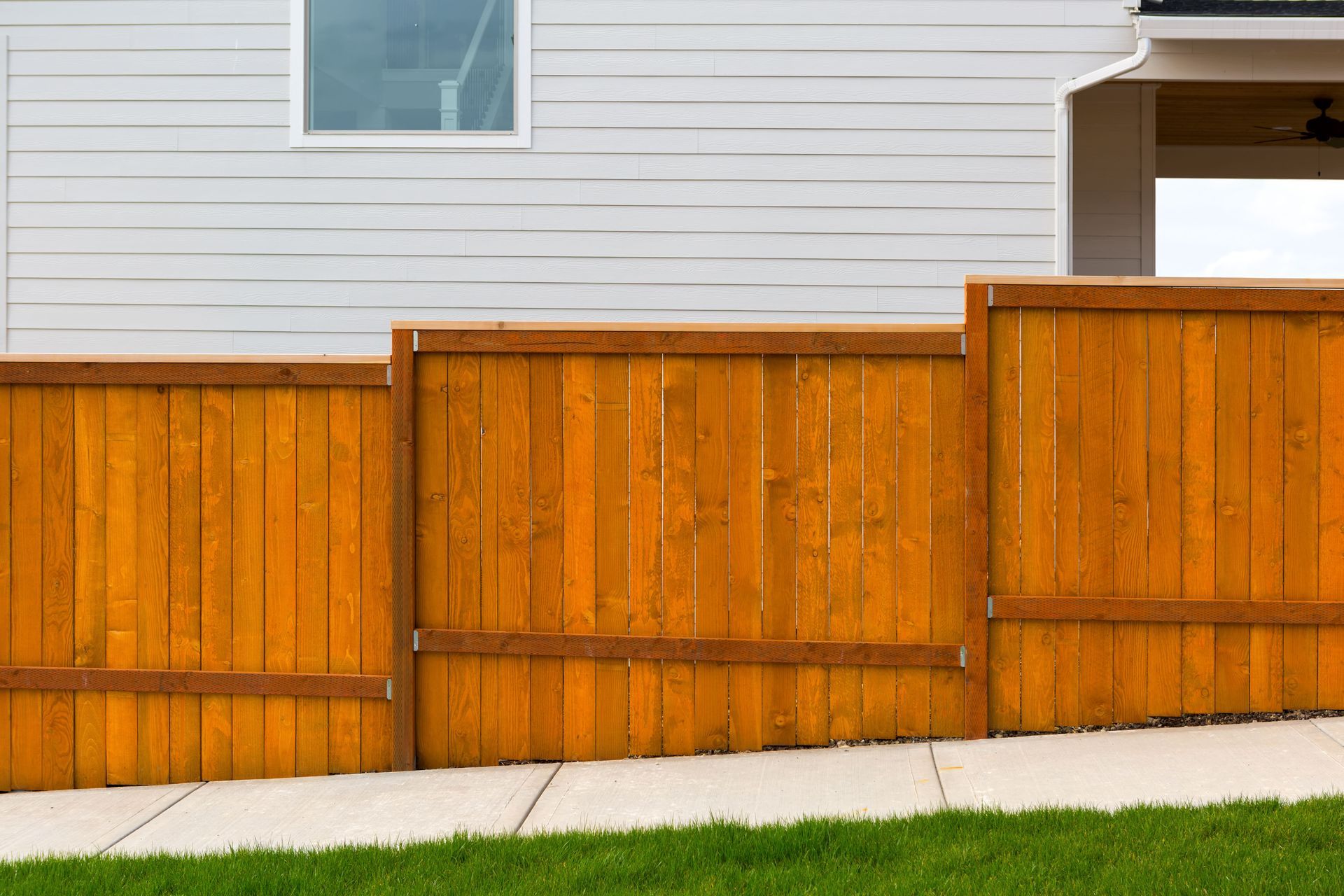
Natural timber remains a highly sought-after option due to its classic warmth, organic texturing, and design flexibility. From traditional dog-ear pickets to modern horizontal styles, wood allows for complete stylistic customization. However, maximizing the lifespan of wood fences requires a commitment to periodic maintenance, including pressure washing, staining, and sealing to ward off moisture intrusion and fungal growth.
Installing Vinyl Fences
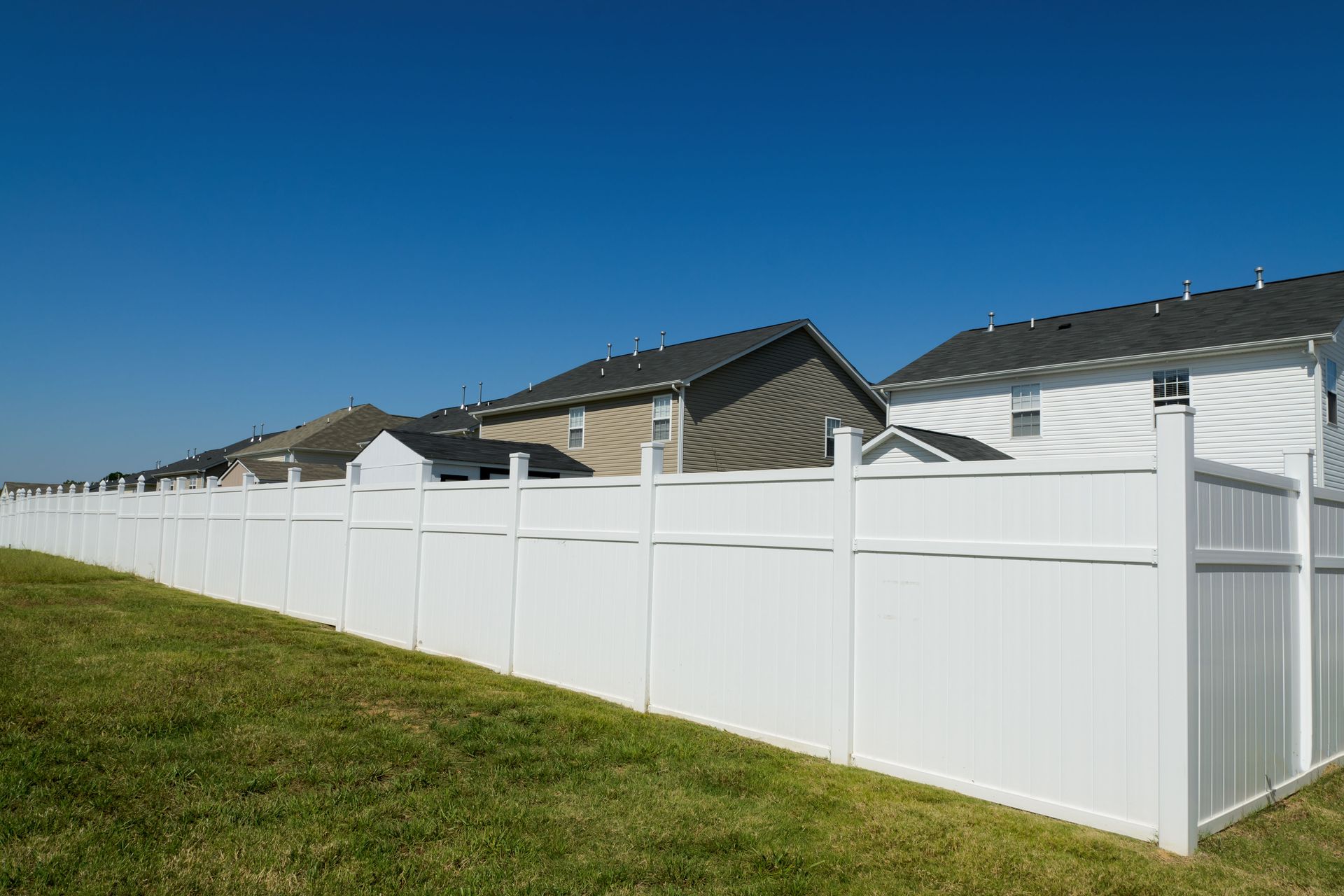
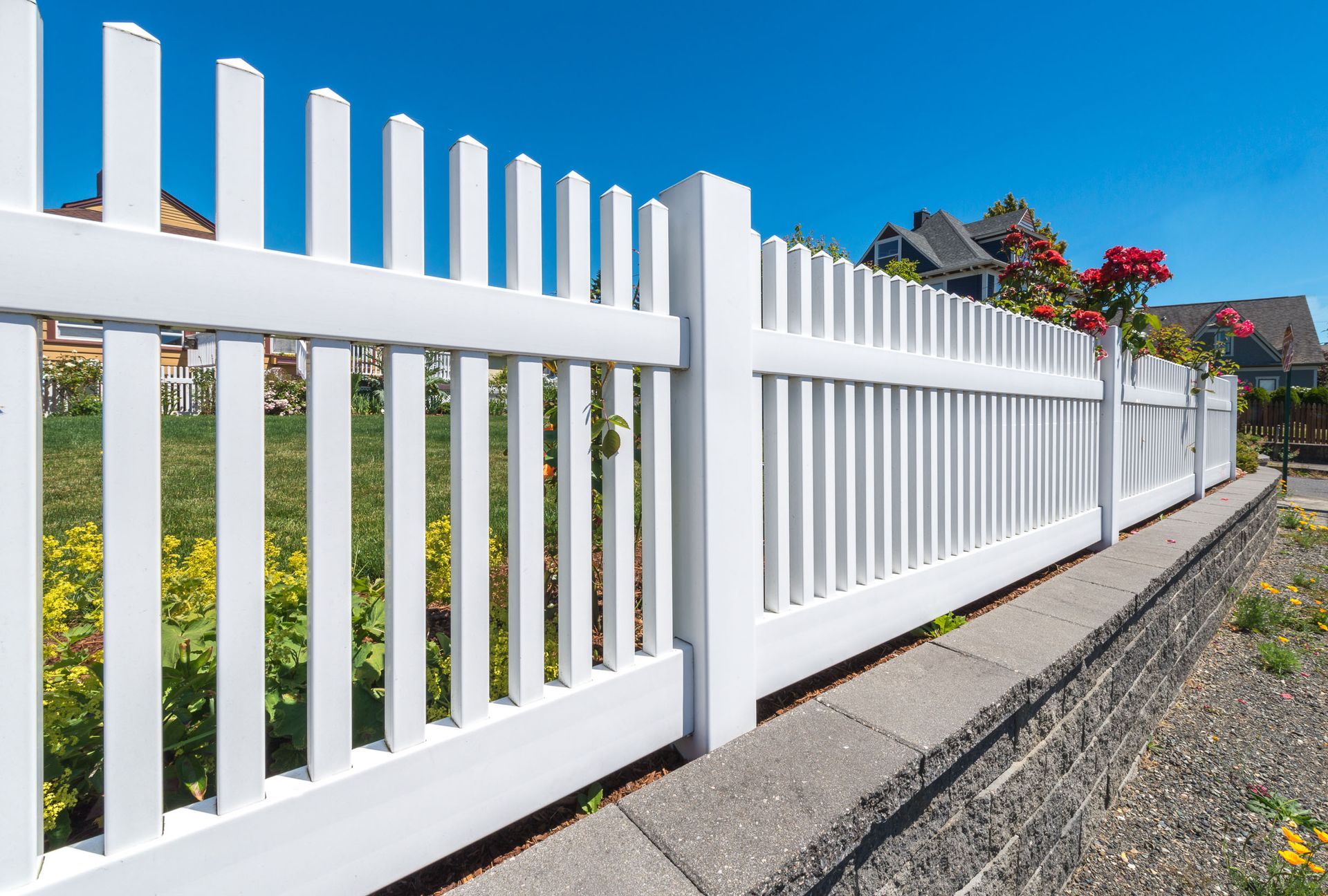
For property owners seeking a low-maintenance solution, vinyl represents an exceptionally durable alternative. High-quality vinyl does not absorb moisture, meaning it is entirely immune to rot, peeling, and insect damage. It requires no seasonal painting or staining, needing only an occasional rinse with soap and water to maintain its clean look, making it a highly cost-effective option over its life cycle.
Building Metal Fences
Metallic options, such as ornamental aluminum or wrought iron, provide unmatched structural strength and clear boundary definition without obstructing views. These systems are highly resilient against wind loads and physical impacts, requiring minimal upkeep beyond occasional inspections for coating scratches. Their durability makes them an ideal choice for long-term security and clean, elegant landscaping borders.
Calculating Costs and Budgetary Constraints
The initial expense of a property upgrade is shaped by the chosen material density, the total linear footage, and the specific topography of the terrain. While premium composites or metals demand a higher upfront investment, they frequently offer lower lifetime costs by eliminating the need for recurring chemical treatments and structural repairs. Gathering detailed, transparent estimates allows you to align your project goals with your household's financial plans.
Projecting Return on Investment
A professional installation is one of the few exterior home improvements that yields an immediate return on investment. Beyond improving daily functionality, a beautiful, secure perimeter is a major selling point for prospective home buyers. Enhancing your home's security, privacy, and curb appeal directly increases your equity, making the project a wise long-term investment in your real estate asset.
Transforming your home's perimeter from a structural liability into a secure asset requires a combination of precise alignment, deep post footings, and high-grade materials. Every stage of construction—from pulling accurate property lines to setting durable gates—demands professional execution to ensure the system stands strong against seasonal storms and soil movement. Partnering with an experienced crew ensures that your boundary remains straight, secure, and beautiful for decades.
Aaron Fence is dedicated to providing premium perimeter solutions tailored to the unique layout of your property. As a full-service fence company, we handle every phase of your project, from code navigation to the final clean-up. Our team specializes in comprehensive home fencing options, including custom wood styles, low-maintenance vinyl, and high-durability fence installation tracks. If you are ready to update your boundaries and enhance your home's value, contact Aaron Fence today to schedule your consultation and secure a professional fence installation for your property.